
Break New
Ground With Chronicle Heritage

Cultural resource and heritage management services that keep projects on track.
We’re Chronicle Heritage, a cultural resources management and heritage consulting firm helping clients navigate the cultural, historical, archaeological, paleontological, and regulatory aspects of land use and infrastructure projects.
When cultural resources are ignored or handled incorrectly, projects risk costly delays, compliance issues, permitting complications, and stakeholder challenges. Working with an experienced firm like Chronicle helps identify any issues early, streamline regulatory coordination, and keep projects moving with confidence.
From local surveys to multi-state energy and infrastructure projects, we help clients preserve cultural value, achieve regulatory compliance, and move projects forward with clarity and efficiency.
If you need help today, email us at info@chronicleheritage.com, call 866.563.2536, or submit your request via the form below.
Professional services to get the job done
Our teams handle archaeology, architectural history, tribal consultation, paleontology, environmental planning, permitting, reporting, and digital data management. Clients include energy developers, utilities, transportation agencies, federal and state governments, engineering firms, tribes, land managers, and private developers.
Our cultural and historic heritage resource management services will help you navigate cultural resource regulations and meet your project timelines.





We help you make it happen
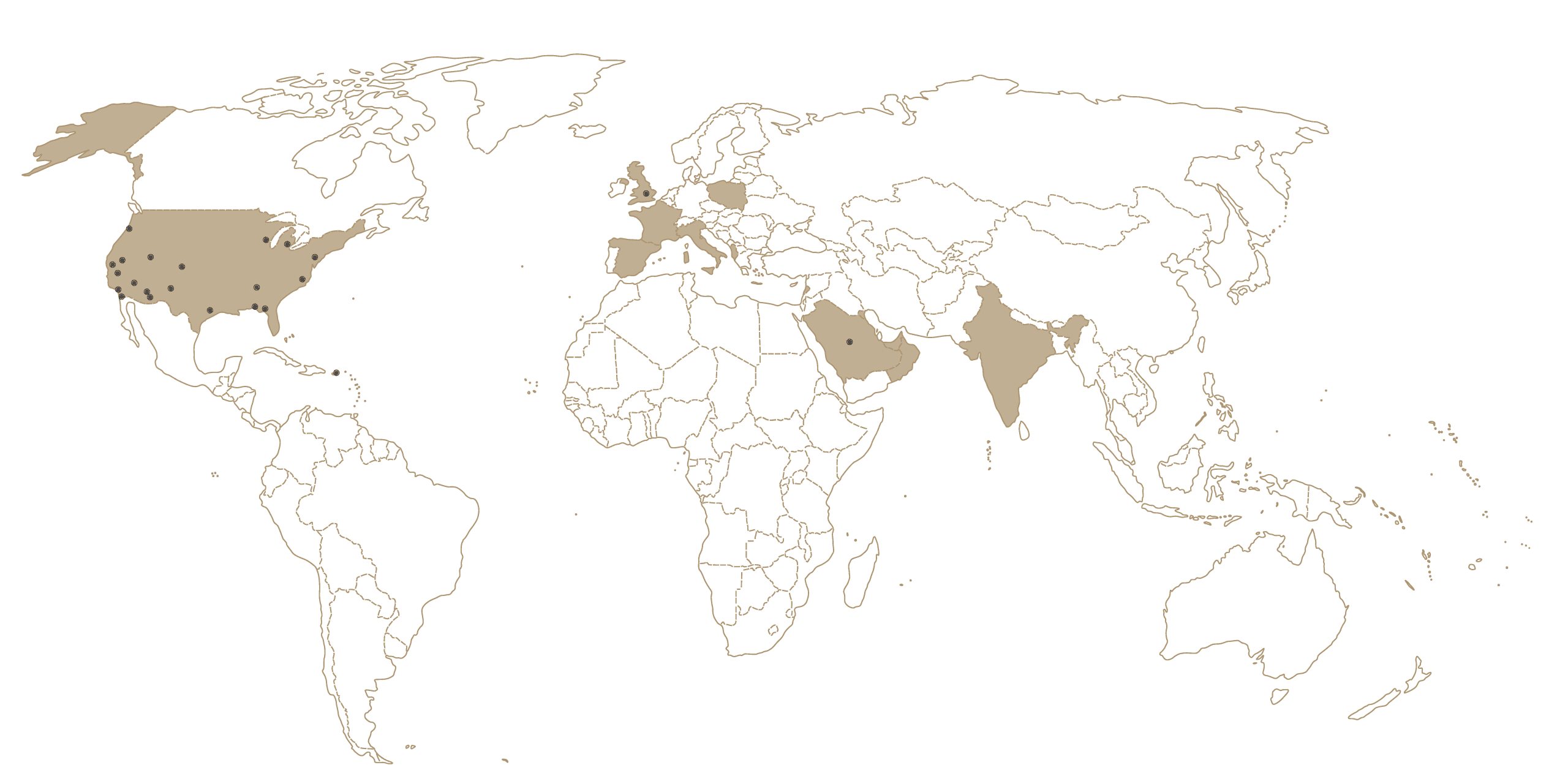
Every day across the globe, Chronicle helps businesses, governments, and interested communities preserve and manage our invaluable cultural and heritage resources.
Chronicle operates through regional offices connected by national coordination, shared systems, and technology-enabled work flows. That structure allows us to staff large, geographically complex projects while keeping work grounded in local knowledge, community context, and jurisdictional requirements.
We help you make it happen
Every day across the globe, Chronicle helps businesses, governments, and interested communities preserve and manage our invaluable cultural and heritage resources.
Chronicle operates through regional offices connected by national coordination, shared systems, and technology-enabled work flows. That structure allows us to staff large, geographically complex projects while keeping work grounded in local knowledge, community context, and jurisdictional requirements.
We’re on a mission
A partner that understands the unique challenges in your sector
Chronicle works with clients worldwide to align business objectives with cultural heritage, environmental, and regulatory considerations. Beyond compliance, we provide strategic consulting, heritage planning, and advisory services that help clients manage risk, unlock value, and advance projects efficiently—supporting informed decision-making and long-term success.
- Land Development
- Energy Generation and Transmission
- Oil and Gas
- Communications
- Transportation
- Federal Government
- State & Local Government
- Mining
- Tribal
- Tourism, Visitor Experience, and Museums
- Master Planning and Urban Development
- UNESCO
- Built Heritage
People are talking about Chronicle
We had an extremely compressed schedule.
The Chronicle team completed the field investigations on time and exceeded our expectations.
Chronicle is driving the digital transformation of CRM
We continue to invest in field technology, digital data collection, AI, and reporting infrastructure that help improve consistency,
turnaround, and field-to-delivery continuity.
Chronicle has created an all-digital workflow that delivers the best solutions with maximum efficiency. It’s how we help you break new ground and keep your project on track.
Keeping major development projects moving
Chronicle brings together more than a dozen cultural resource management firms from across the U.S., with roots going back almost 60 years to 1968, the earliest days of the discipline – John Milner Associates, Archaeological Consulting Services, and others that helped define how this work is done.
50+
States and territories supported
20+
Office locations
600+
Employees
Frequently Asked Questions
Only if a legal trigger applies. A federal permit, federal funding, a state approval, or a local ordinance can each require one on private land. Absent any trigger, a private project on private land often has no survey requirement, though state unmarked burial laws still apply if human remains are encountered.
The applicant, in nearly every case. Section 106 places the legal duty on the federal agency, but agencies routinely require applicants to fund and produce the studies the review depends on.
It depends on project size, the number of consulting parties, and whether resources are found. The regulations set specific review windows for consulting parties, but the total duration is driven by fieldwork scope and consultation, not by a single statutory deadline. Early scoping is the main lever you control.
Section 106 addresses effects on historic properties specifically and is administered by the ACHP under 36 CFR Part 800. NEPA addresses environmental effects broadly. Both can apply to the same project, and agencies often coordinate the two reviews, but satisfying one does not satisfy the other.
A State Historic Preservation Officer administers the national historic preservation program within a state and is a required consulting party in Section 106 review. A Tribal Historic Preservation Officer carries out those functions on Tribal lands for a Tribe that has assumed them, and consults in place of the SHPO for undertakings on those lands.