
Built Environment
A BUILT ENVIRONMENT PARTNER WHO SEES THE WHOLE PICTURE

Cultural knowledge and scientific expertise that bring your built environment project to life.
Chronicle Heritage specializes in built environment assessments, historic property evaluations, historic preservation compliance, archival research, and more – because this is what our historians love doing. Researching the history of our built environment allows us to focus on the future – and that isn’t just a platitude. After completing the largest architectural history survey of its kind in Montgomery, Alabama, we created an immersive online tour of the city, documenting the pivotal role it played in shaping Black civil rights.
Our architectural historians meet the Secretary of the Interior’s Professional Qualifications Standards for History and Architectural History. With more than 20 years of built environment experience, we have completed more than 2,000 projects in nearly all 50 states. We have worked for notable government agencies including the Bureau of Land Management, Virginia Department of Transportation, Delaware National Guard, and City of Little Rock, as well as prominent firms including Kimley-Horn and Associates, Cypress Creek Renewables, Tetra Tech, and Pennoni Associates.
Historical Properties Evaluation
Chronicle assists our infrastructure and development clients with detailed historic property evaluations of the built environment, including residential, commercial and industrial buildings, historic districts and cultural landscapes, farms and ranches, bridges, water conveyance structures, and military installations.
Evaluating historic properties for their significance extends beyond external treatment. It requires an assessment of numerous criteria, including historical, cultural, engineering, architectural, and archaeological considerations.
Our team has completed thousands of historic property evaluations across the U.S. We have a deep understanding of the eligibility criteria established by national, state, and local entities. This includes the criteria set by the National Register of Historic Places (NRHP) and the California Register of Historical Resources (CRHR).
Historic Preservation Compliance
Chronicle can help you determine whether your project will impinge on a historic property or whether the alterations you have in mind are historically compliant.
Sections 106 and 110 of the National Historical Preservation Act (NHPA) regulate the licensing of activities that might affect historic properties. We‘ll review your project, advise you on any possible project impacts, and then design mitigation strategies that meet both federal and state regulations.
We’re experts in completing historic property assessments and evaluations in compliance with a range of regulatory frameworks, including the National Environmental Policy Act (NEPA), Section 106 and 110 of the National Historic Preservation Act (NHPA), the California Environmental Quality Act (CEQA), and various state and local regulations
Historic Preservation Planning
We work with towns, cities, and municipalities to develop and implement preservation frameworks for historical resources that fit the community’s specific needs.
Archival Research
When it comes to developing mitigation measures for a project that affects a cultural or historical resource, Chronicle can help with the archival research that often forms part of compliance.
HABS/HAER/HALS Documentation
The architectural historians at Chronicle have decades of experience completing Historic American Buildings Survey (HABS), Historic American Engineering Record (HAER), and Historic American Landscape Survey (HALS) documentation.
Just the photographic requirements alone for meeting the documentation standards for historical resources are complex in their own right, demanding the most skilled practitioners.
Historic Resource Mitigation and Implementation
Chronicle’s purpose is to manage and promote our cultural heritage, and so developing and implementing remedial actions for historical resources is in our wheelhouse.
We keep your project top of mind, and integrate our knowledge of regulatory requirements into our recommendations and plans.
These remedial actions can include adaptive reuse, changes to existing project plans, HABS/HAER/HALS documentation, design guidelines, website development, historic contexts, photogrammetry and 3D modeling, story maps, interpretive displays, historical publications, architectural salvage, and more.
Historic Resource Surveys
A survey of a historical resource gathers information that is essential to the evaluation of a property.
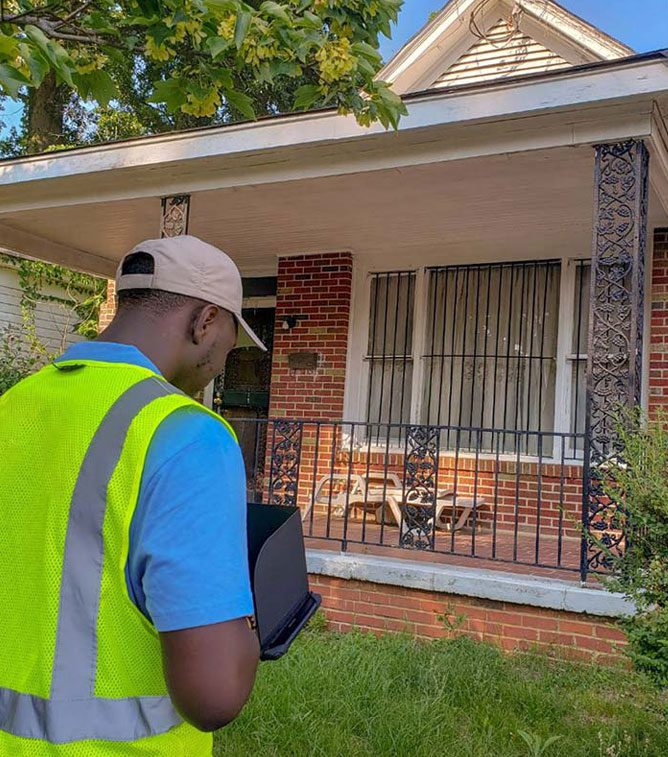
Chronicle has done it all, from single-building evaluations to recording thousands of historic properties. We use digital tools and our own in-house field technology systems to record the property with precision.
Historic Tax Credit Consulting
Historic tax credits are one of the most effective tools available for rehabilitating and reusing historic buildings. When approached strategically, they can unlock significant project funding while preserving the character and integrity that make historic places worth investing in.
But tax credits don’t happen automatically. Successful projects require early planning, clear documentation, and careful coordination throughout design and construction. Decisions made early can affect eligibility, funding, schedules, and long-term compliance.
Chronicle helps developers, property owners, architects, and project teams navigate federal and state historic tax credit programs from initial feasibility through final certification. The federal Historic Tax Credit provides a 20% income tax credit for the certified rehabilitation of income-producing historic properties, with many states offering complementary programs that can substantially increase the total incentive available.
Our team provides support throughout the life of a project, including eligibility assessments and feasibility reviews, National Register guidance, preparation of HTC applications (Parts 1, 2, and 3), rehabilitation planning aligned with the Secretary of the Interior’s Standards, coordination with SHPOs and the NPS, design review, construction-phase compliance monitoring, and post-construction certification support.
Historic tax credit projects are simultaneously development, financing, design, and construction projects. Our specialists understand how preservation requirements intersect with budgets, financing structures, and construction realities, helping teams identify compliance challenges before they become delays or threats to eligibility.
Whether you’re rehabilitating a commercial building, redeveloping an industrial site, or undertaking a large-scale mixed-use project, Chronicle can help you maximize available incentives while keeping the project moving from planning through certification.
Historic Context Reports
At Chronicle, we can put together historic context statements and reports that provide information for evaluating properties for their historical significance.
Our team can prepare these reports to support various efforts, including assessing individual projects, historic districts, thematic groups, National Register Multiple Property Documentation Forms, planning documents, and regulatory compliance documents.
National, State, and Local Register Nominations
Chronicle helps with the formal process of submitting properties or sites for consideration and potential inclusion in national, state, or local registers of historic places.
We have extensive outreach experience, working alongside local governments, property owners, and SHPO on your behalf to list properties on historic registers.
Cultural Resource and Heritage Management Solutions for Major Projects
Challenging projects enliven us – so bring us your project headache. We’ll partner with you all the way. And, we’ll start by bundling our services so you meet your milestones efficiently.
Mapping Montgomery and its Role in the Modern Civil Rights Movement