
Chronicle Heritage is proud to support this year’s Beatrice de Cardi Lecture, featuring renowned archaeologist Vincent Charpentier, whose pioneering work has transformed our understanding of the archaeology of Oman and eastern Arabia.
The lecture is the keynote of the 59th Seminar for Arabian Studies and will be held on Friday, July 31 at 5:45 p.m. CEST (Central European Summer Time) in the Room #1 Auditorium at the University of Bologna. The lecture will also be broadcast virtually for free via Microsoft Teams.
Those interested in viewing the lecture online can register here: https://events.teams.microsoft.com/event/21ea338e-1c3c-4b69-ba64-c9702632f8fa@e99647dc-1b08-454a-bf8c-699181b389ab
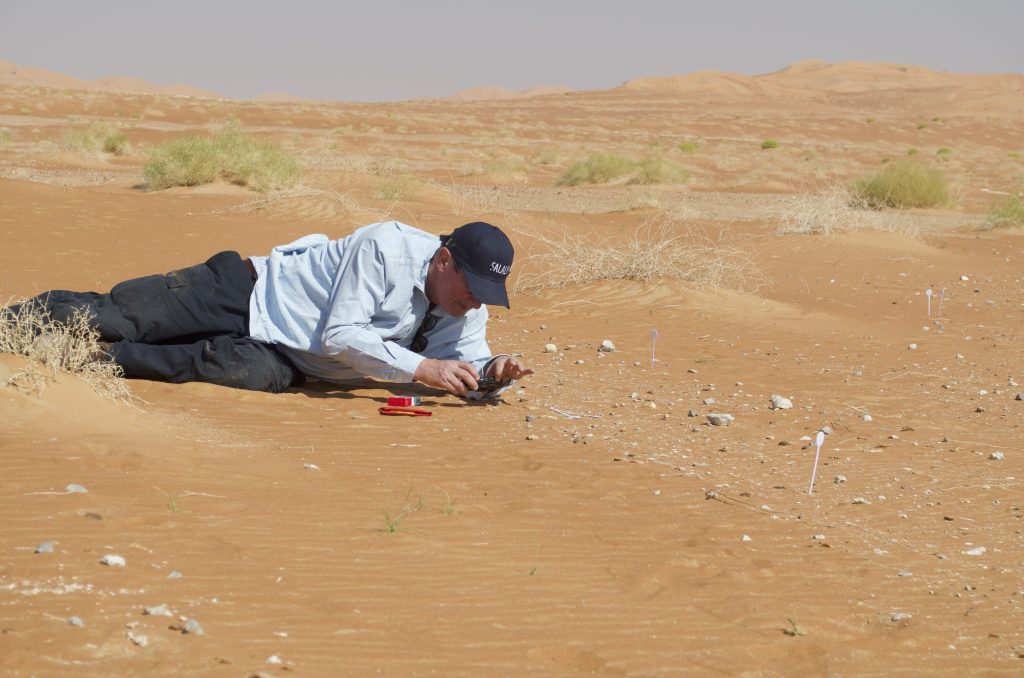
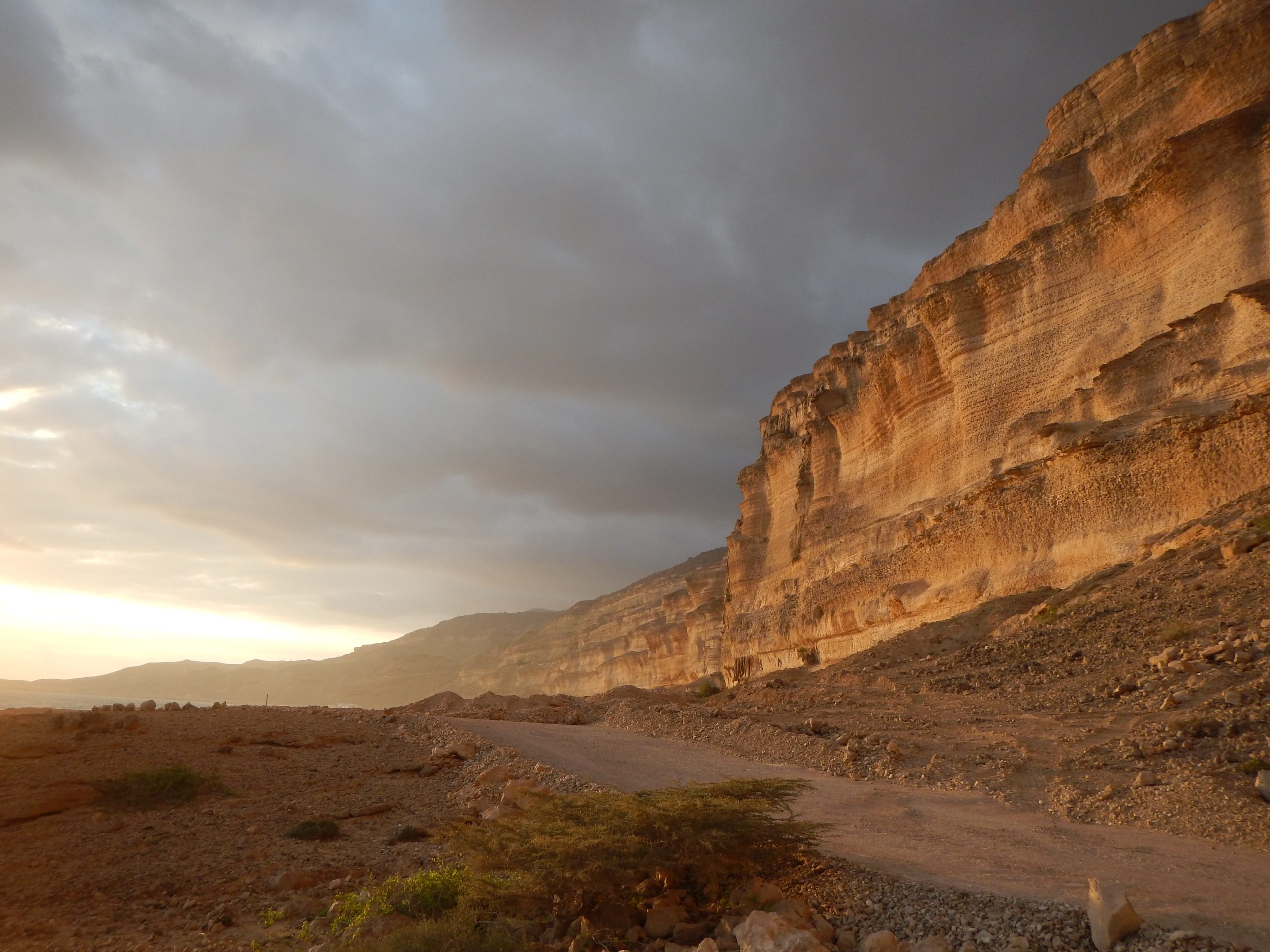
In his lecture, “Are the shores of the Oman Peninsula and the dunes of the Rubʿ al-Khali still terra incognita for Late Prehistory?”, Charpentier will examine one of the most compelling questions in Arabian archaeology: how prehistoric communities adapted to and interacted with some of the region’s most challenging landscapes. Drawing on decades of field research, the lecture explores recent discoveries from the coastlines of the Oman Peninsula and the vast Rubʿ al-Khali, highlighting how new archaeological evidence is reshaping our understanding of settlement, mobility, environmental change, and human occupation during the Late Prehistoric period.
Charpentier has dedicated nearly four decades to archaeological research in Oman, beginning in 1985. He has served as Director of the French Archaeological Mission in Oman since 2010 and is a senior executive at INRAP, the French National Institute for Preventive Archaeological Research. An emeritus researcher with the CNRS, Charpentier is internationally recognized as one of the foremost authorities on the Neolithic of Arabia and has played a pivotal role in advancing archaeological research throughout the region.

For heritage professionals working in Arabia, this lecture offers a unique opportunity to hear directly from one of the field’s leading scholars as he reflects on decades of discovery and discusses the questions that continue to shape archaeological research across the Arabian Peninsula.
Chronicle is honored to support the Beatrice de Cardi Lecture and the exchange of knowledge that strengthens our profession and advances the stewardship of Arabia’s remarkable cultural heritage.