
California Cultural Resource Compliance
Cultural Resources Compliance in California – handled by experts who deal with the agencies directly
Alongside them sit three practical realities: what happens if something turns up mid-construction, what a historic building means for your plans, and what the geology says about paleontological risk. Get any of these wrong and the cost is a stalled schedule, a reopened environmental document, or a project vulnerable to litigation.
Chronicle Heritage helps your firm fulfill its stewardship obligations, meet its business goals, and wrap up faster, negotiating the complex path to compliance with deep, relevant experience across California’s statutory landscape, from state and local agencies to tribal contact lists and recent case law.
Book an introductory meeting with our experts
Meet Our California Team
Regardless of need, our team in California has the knowledge and experience to answer any of your questions. Peruse our directory of qualified personnel, identify the expert that fits right for your project, and schedule a quick call with them.
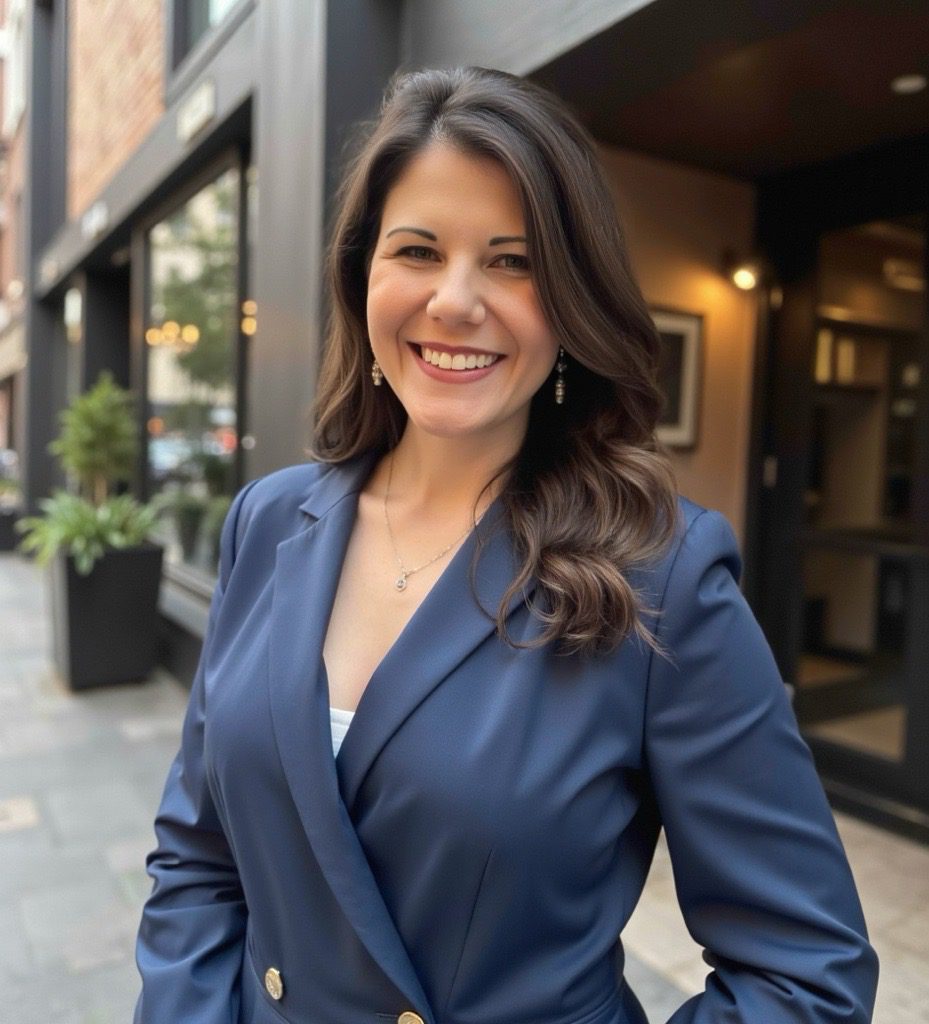
Lauren Brooks leads multidisciplinary teams in California and strengthens our agency and stakeholder relationships through responsive, high-quality service. With a decade and a half of professional experience spanning fieldwork, project management, and senior operational leadership, she supports our clients in navigating complex cultural resource needs in compliance with federal, state, and local regulations. Areas of expertise: • MSAs • Teaming Opportunities • Oil & Gas • Renewables • Transmission & Generation
Lauren Brooks
Regional Principal - Southwest & California
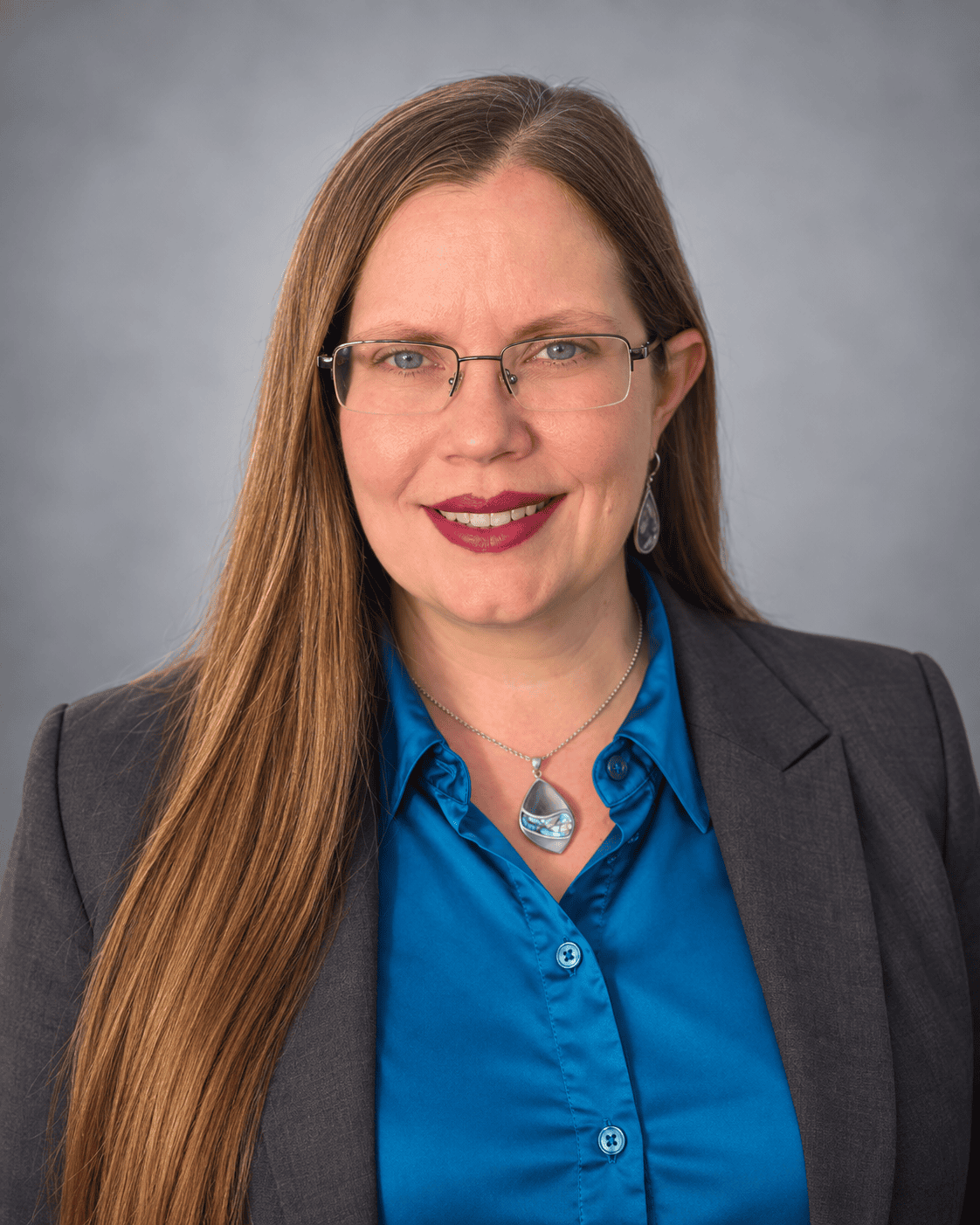
Joy Vyhmeister is responsible for oversight of the Southern California team and its projects. Joy has spent most of her career working in the desert, with development support for both public and private sector customers and work at all scales – from individual parcel assessments to utility-scale solar installations. Areas of expertise: • Southern California Archaeology (from the Ocean to the Desert) • Practical Scoping for Complex Projects • Pre-contact Archaeology and Historic-period Archaeology • Making Sense of Previous Studies • Investigations Focused on the Questions Your Project Needs Answered
Joy Vyhmeister
Southern California Office Principal
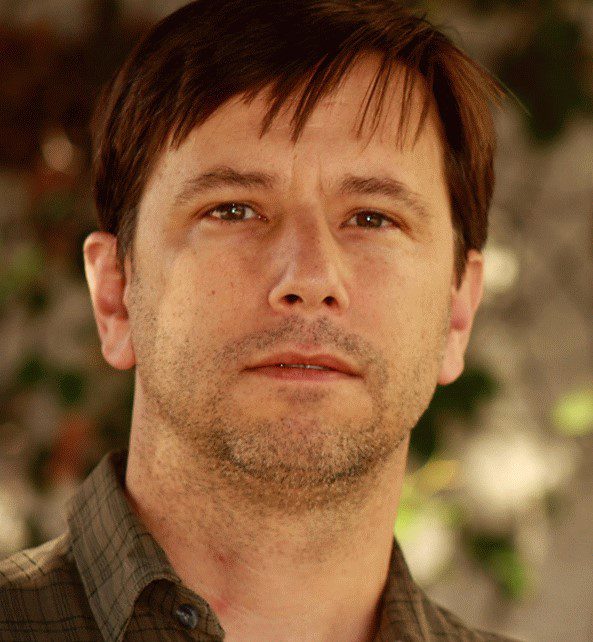
Mike Mirro is a geoarchaeologist who speaks fluent technologist. Since helping open our SoCal office in 2017, they have led advanced GIS and 3D modeling for our projects, including aerial and ground-based photogrammetry that captured cliff dwellings in partnership with the Ute tribe. Areas of expertise: • Fuels Management & Removal • Defense & Federal Lands • Geoarchaeology • Remote Sensing & Field Technology (UAS, LiDAR, Photogrammetry, 3D Modeling) • Archaeological Spatial Modeling & Advanced GIS
Michael Mirro
Senior Archaeologist & Innovations Program Lead
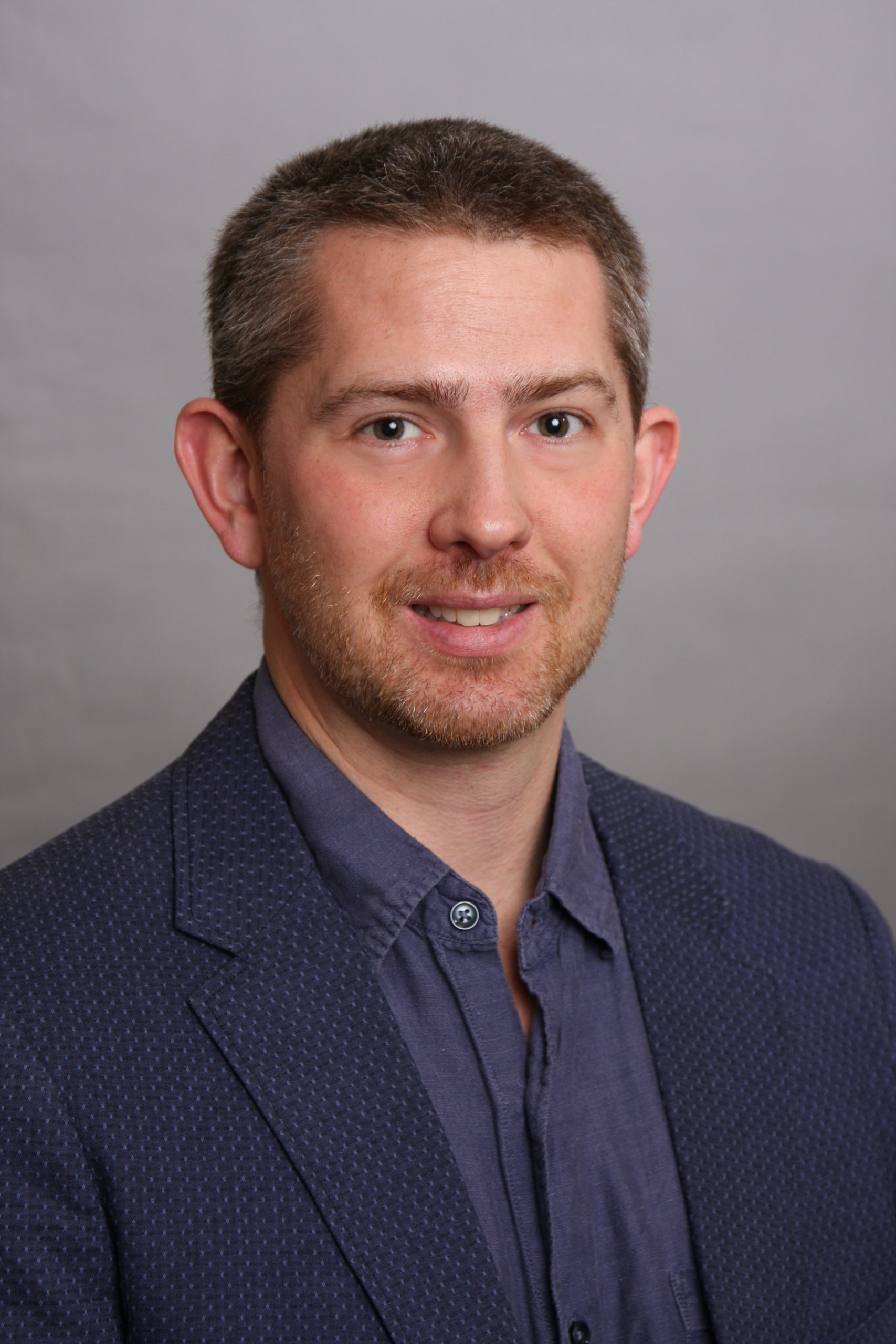
Dr. Jason Lewis has two decades of professional experience conducting paleontological research, specializing in zooarchaeology and the analysis of faunal remains to reconstruct paleoenvironments and human subsistence strategies. He leads multidisciplinary teams on field investigations requiring rigorous standards for documentation, mapping, and reporting. Areas of expertise: • Paleontological Survey & Monitoring • Pipeline • Oil & Gas • Renewables • Tranmission & Generation • Transportation • Defense & Federal Lands
Jason Lewis, Ph.D.
Service Line Lead - Paleontology
All your questions answered
Discover the essential topics in each sector, service and regulation. We’ll help you plan for every cultural resource-related subject from the start.
Section 106
Section 106 applies when federal money, land, or permits touch your project. It’s procedural, not a veto. A thin record and poor planning are what gets a project delayed or enjoined. We help you scope the area of potential effects correctly and build a record that holds up, including navigating any pending changes to federal regulations.
CEQA
The California Environmental Quality Act, or CEQA for short, reaches cultural resources through three separate concepts: historical resources, unique archaeological resources, and tribal cultural resources, and they aren’t interchangeable. We help applicants understand what is required by CEQA, including what the 2025 exemption reforms do and don’t remove from scope.
Tribal Consultation
Discoveries, Human Remains, And Monitoring
A discovery mid-construction starts strict, short clocks: coroner notification, Most Likely Descendant inspection, and work stoppage obligations with no outer limit. We help clients build a discovery plan before ground disturbance, so a 48-hour scramble becomes a documented procedure instead of a crisis.
Historic Buildings and The Built Environment
Paleontological Resources
Records, Qualifications, and Schedule
Talk to our California team
We have five offices in California, all staffed by California residents who know the agencies, information centers, and tribes in their regions.
SACRAMENTO | FRESNO | LOS ANGELES | REDLANDS | SAN DIEGO