
Chronicle Heritage is built for a kind of cultural resources management (CRM) work that is harder, faster-moving, and more complex.
Our clients need teams that can move across regions without losing local context. They need consultation, field execution, reporting, data systems, and regulatory understanding to work together instead of in silos. They need a firm with enough reach to staff a multi-state project and enough discipline to treat a small local assignment with the same care. They need a firm that can pivot at the speed of the market.
That is the space Chronicle is purpose-built to serve, bringing national perspective, local expertise, and the systems to connect both.
Right People, Right Places
What we do at scale depends on the unique way we work.
Chronicle brings together regional expertise in our local offices, national coordination and shared services, and technology-enabled business and field-collection processes that support every phase of the work.
At Chronicle, we leverage every tool available to get projects turned around. We put the right people and solutions in the right places at the right times.
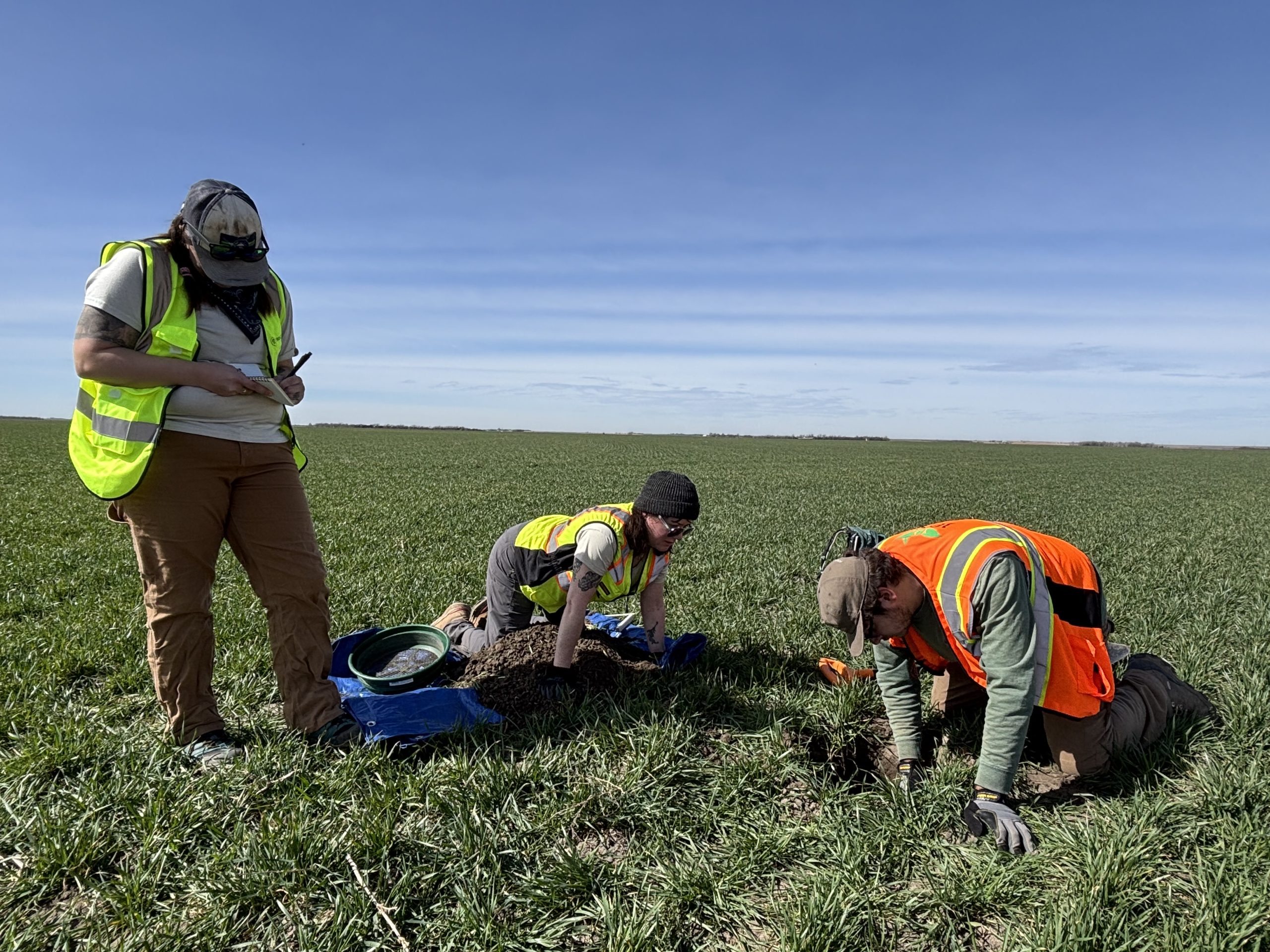
That matters because CRM work is never abstract. A project may cross state lines, agency jurisdictions, tribal consultation processes, landscapes, and communities. Scale only helps if it brings the right expertise to the right place — and if the people doing the work understand the local context when they get there.
Large or Small, the Work Matters
Chronicle has the capacity to support some of the largest CRM projects in the country. But scale does not mean walking away from smaller projects.
There’s a tendency from the largest firms to turn down smaller jobs once they reach a certain size in headcount or revenue or geographic reach. For example, they might say they are better suited to do multi-state transmission lines and 10,000-acre solar fields, but at Chronicle we want to work with all varieties of clients and project types.
That range is part of Chronicle’s operating philosophy. A small survey, a local compliance need, or a focused reporting effort can carry real consequences for a client, a community, or a resource. The size of the contract does not determine the importance of the work.
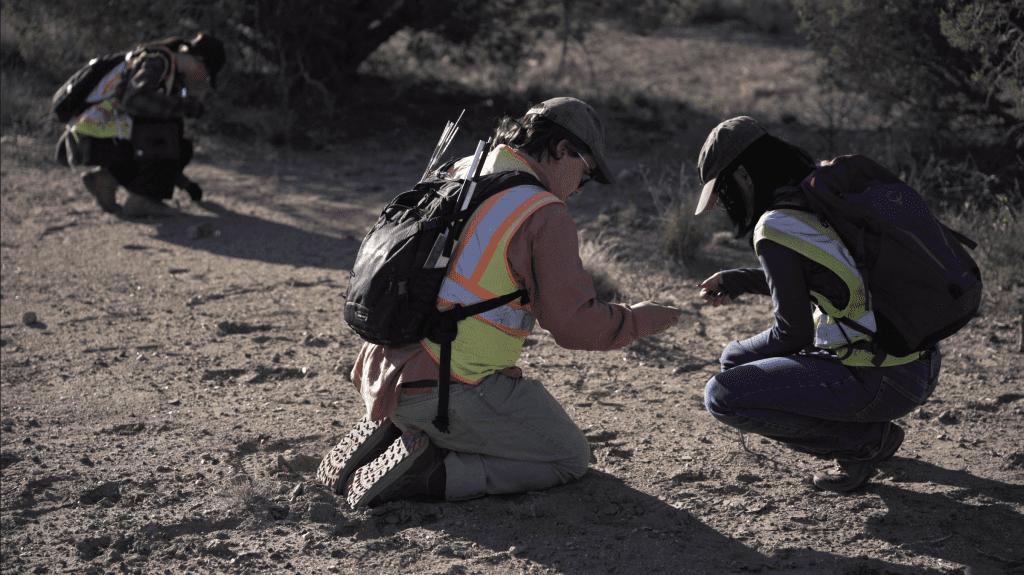
For our experts in the field, the smallest project might be the most rewarding or memorable. A five acre project that took two weeks to complete but will have a lasting impact on the local community, is as important to our business as a five state transmission line.
A Network of Experts, Not a Loose Collection of Offices
Chronicle’s footprint is only useful because of the people inside it.
Our teams work regionally, but they communicate nationally. That means a practitioner who understands one environment can learn from colleagues working in another. It also means project teams can draw on a deeper bench when conditions change, requirements shift, or specialized expertise is needed.
Our strength is our capacity and our reach. We are not historically, nor do we currently operate as 15 small firms that consolidated and are now loosely organized by an ERP. We are a network of professionals. We put our individual practitioners in the right places at the right times, empowering our experts to deliver.
That cross-regional experience matters. It builds judgment. It gives people more patterns to recognize, more methods to compare, and more confidence working across different clients, agencies, tribes, and landscapes.
Early Adoption, Built Around the Work
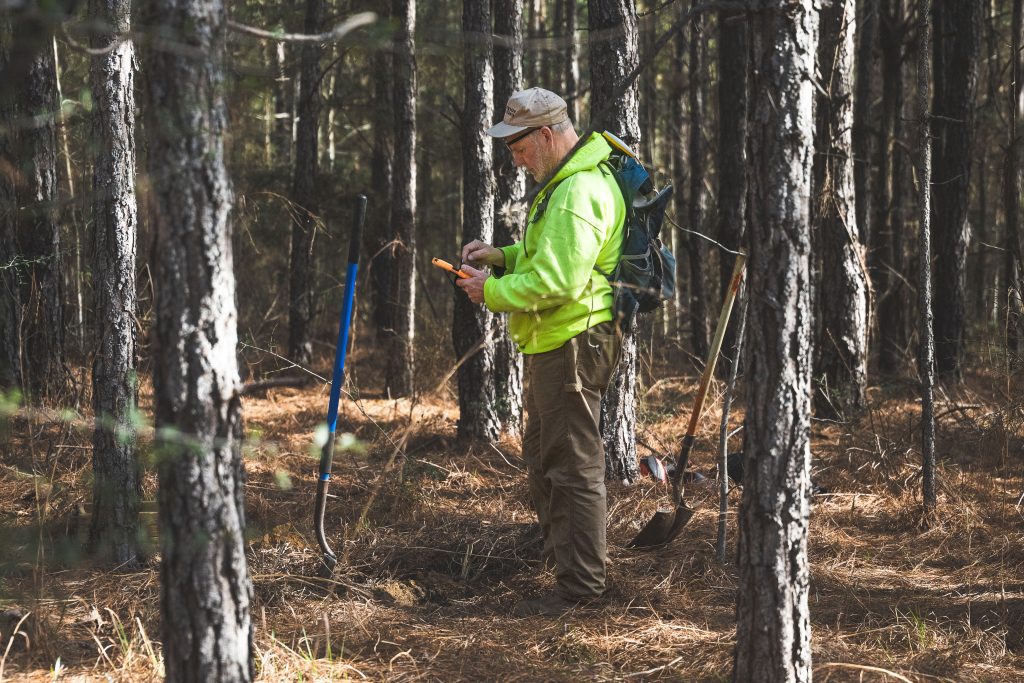
Chronicle’s technology investments are not about novelty for its own sake. They are about giving technical experts better tools to do the work more accurately, consistently, and efficiently.
That mindset goes back to the early days of PaleoWest, Chronicle’s predecessor company. PaleoWest was among the first CRM firms to fully embrace paperless fieldwork, at the time an audacious stance. On April 3, 2010, the day the iPad was released, PaleoWest bought 10 of them with a specific goal: to develop a viable field data collection system for CRM work.
Chronicle has also made an unprecedented investment in future-facing technology, including groundbreaking machine learning techniques and our incubated SaaS company, Codifi. The willingness to test and harness new tools, absorb friction, and build better systems remains part of Chronicle’s DNA as a scientist-led firm. Putting the best tools in the hands of our archaeologists, architectural historians, paleontologists, ethnographers, planners, and environmental professionals helps them do good work, move with more clarity, and produce less waste.
Still Building
Chronicle was founded in the Southwest, where the scale of the landscape has always shaped the work. Today, that same field-first mentality is being applied across a much larger footprint globally.
The work ahead is not simply to be bigger. It is to build a CRM firm that can operate at scale without losing the judgment, care, and local understanding this work requires. We are excited to partner with a range of new clients on novel projects.
Taking calculated risks is not something people think about generally when they think about the CRM industry. That’s precisely why we aim to do it.
Chronicle is building the systems, teams, and reach needed for where CRM work is going next.