

Oil and Gas
Cultural Resource Management for Oil, Gas, and Midstream Projects

Chronicle helps oil and gas companies navigate cultural resources requirements across pipelines, transmission corridors, production facilities, and other critical energy infrastructure projects.
Our teams work alongside developers, engineers, and operators to identify cultural resource considerations early, reduce regulatory risk, and keep projects moving through planning, permitting, and construction.
Across more than 350 completed oil and gas projects, Chronicle has supported complex infrastructure programs that span multiple jurisdictions, agencies, and stakeholder groups. We partner with organizations including HF Sinclair Corporation, Merjent, Georgia Power Company, and EDF Power Solutions, bringing together archaeologists, historians, permitting specialists, and regulatory experts to help clients meet compliance obligations without losing momentum.
Why Oil and Gas Projects Need CRM
Oil and gas projects — including well pads, pipelines, gathering systems, compressor stations, and access roads — often require cultural resource management, or CRM, as part of federal, state, or local permitting and environmental review.
For oil and gas developers, cultural resource work is more than a compliance requirement. Done early, it can help protect project schedules, preserve design flexibility, reduce permitting risk, and avoid costly discoveries during construction.
Chronicle helps oil and gas developers identify cultural resource requirements early, complete archaeological and historic resource studies, support regulatory review and consultation, and manage cultural resource risk throughout project development and construction.
When Do Oil and Gas Projects Require CRM?
An oil and gas project may require cultural resource review when it involves federal land, federal permits or approvals, federal funding, state approvals, or applicable state or local historic preservation requirements.
Common regulatory triggers for oil and gas projects include:
Federal Triggers for Oil and Gas Projects
- Bureau of Land Management permits
- U.S. Army Corps of Engineers Section 404 permits
- Pipeline and Hazardous Materials Safety Administration authorization
- Other federal permits, approvals, or funding that create a federal nexus
When a federal nexus exists, the responsible federal agency may be required to complete review under Section 106 of the National Historic Preservation Act before approving the project.
State and Local Triggers for Oil and Gas Projects
State and local requirements vary by jurisdiction but can include:
- State pipeline and surface use permits
An oil and gas project can therefore require cultural resource work even when it does not cross federal land or require a federal permit.
What Drives the Cultural Resource Schedule for Oil and Gas Projects?
Linear projects like pipelines can span dozens or hundreds of miles, so CRM work scales directly with route length — far more ground to cover than a single well pad. That fieldwork also depends on seasonal access windows: crops, snow cover, flooding, dense vegetation, or wildlife restrictions can each close off usable survey conditions for months at a time, and different segments of a long route often have different windows.
When these two factors combine, missing a seasonal window on even part of the route can delay the entire survey, since reports, tribal consultation, and agency review typically wait for complete coverage rather than proceeding segment by segment. Miss the window, and the project can lose a full year waiting for the next one — which is why seasoned developers plan engineering and permitting around the survey calendar, not the other way around.
Why Cultural Resource Management Matters for Oil and Gas Projects
Cultural resource management matters because it's usually legally required — projects on federal land or requiring federal permits trigger Section 106 and NEPA review, and agencies often won't permit until it's done, making it a common pacing item for the whole schedule. Done early, it also protects the project itself: identifying sensitive areas or historic sites in advance lets developers adjust routes or pad locations while changes are still cheap, rather than discovering them mid-construction, when a halt can cost weeks or months.
It also manages real relationship and liability risk. Many projects cross land with significance to Tribes, who have a legal right to consultation, and rushing that process has caused some of the industry’s most costly conflicts. Disturbing a significant site or human remains can bring fines and reputational damage, while documented compliance work protects the company if disputes arise later. In short, it’s less a box to check than a real project risk that’s cheap to manage early and expensive to manage late.
How Can Cultural Resource Issues Affect an Oil and Gas Project?
Inadequate or late cultural resource work can create risks that extend well beyond the cost of the cultural resource study itself.
Potential impacts to an oil and gas project include:
- Delays in receiving drilling, pipeline, or right-of-way permits
- Additional agency or tribal review
- Construction delays or stop-work conditions
- Redesign after engineering has advanced
- Remobilization or additional fieldwork costs
- Pressure on pipeline in-service or first-production milestones
- Pressure on midstream or offtake agreement commitments
- Potential effects on financing or contractual obligations when milestones are missed
Cultural resource delays can place gathering agreements, offtake contracts, and project financing at risk when development milestones are fixed to a schedule.
The earlier cultural resource constraints are understood, the more options a project team generally has for managing them.
Why Early Tribal and Agency Engagement Matters for Oil and Gas Projects
Oil and gas projects can involve multiple agencies, Tribal nations, State Historic Preservation Offices, and other consulting parties.
Early engagement helps project teams understand concerns while there is still time to respond through routing, siting, and design decisions.
This is particularly important for developers with multiple projects in the same geographic region. Agencies, Tribes, consultants, and developers may work together repeatedly, making consistency and credibility across projects important.
Consultation should therefore be treated as substantive engagement rather than simply a procedural milestone.
Experiences on one project can influence relationships and scrutiny on subsequent projects.
How Can Early CRM Reduce Risk for Oil and Gas Developers?
Starting cultural resource work early can give oil and gas developers more choices.
If a cultural resource is identified while project design is still flexible, the development team may be able to adjust a well pad location, access road, pipeline alignment, or other project feature.
When the same issue is discovered after design, permitting, financing, and construction schedules are substantially committed, the available solutions may be more expensive and disruptive.
Early CRM can help developers:
- Understand regulatory requirements before major project commitments
- Identify cultural resource constraints during site or route planning
- Incorporate survey and review timelines into the development schedule
- Reduce the likelihood of unexpected construction-phase discoveries
- Preserve opportunities for avoidance or redesign
- Coordinate cultural resource work with environmental review, engineering, and permitting
How Does Chronicle Support Oil and Gas Projects?
Chronicle supports oil and gas developers throughout planning, permitting, development, and construction.
Depending on the project and regulatory requirements, cultural resource services may include:
- Early cultural resource and regulatory risk assessment
- Records searches and background research
- Archaeological survey
- Historic resource identification and documentation
- Support for Section 106 and other regulatory review processes
- Support for agency and Tribal consultation, where appropriate
- Cultural resource avoidance and design recommendations
- Mitigation planning
- Archaeological monitoring
- Unanticipated discovery planning
- Construction-phase cultural resource support
Our goal is to help developers understand cultural resource requirements early enough to make informed project decisions and keep cultural resource work aligned with the broader development schedule.
Plan Cultural Resource Work Before It Reaches the Critical Path
For oil and gas projects, the most manageable cultural resource issue is usually the one identified early.
Chronicle works with oil and gas developers to identify cultural resource requirements, complete the necessary studies and documentation, support regulatory processes, and integrate CRM into the broader project development schedule.
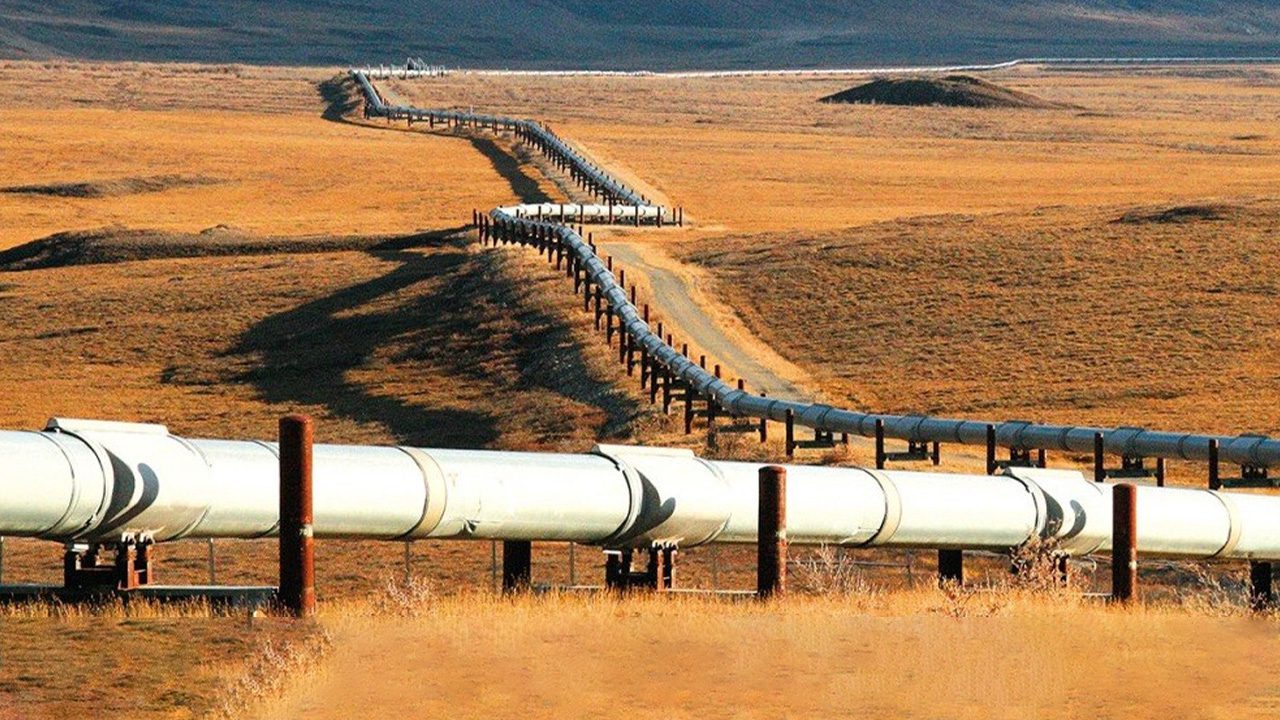
UNEV Pipeline Project
Through strategic planning, field investigations, and regulatory coordination, we helped address cultural resources requirements within a large-scale infrastructure environment.
Frequently Asked Questions About CRM for Oil and Gas Projects
Do all oil and gas projects require cultural resource surveys?
No. The requirement depends on the permits, approvals, funding, land ownership, and applicable federal, state, and local laws associated with the project.
Projects involving federal land or a federal permit, approval, or funding commonly require cultural resource review. State and local requirements can also apply when there is no federal nexus.
Does an oil and gas project on private land need cultural resource management?
It can.
Private ownership alone does not determine whether cultural resource review is required. A project on private land can still trigger cultural resource requirements through a federal permit, federal funding, state approval, state environmental review, or applicable local requirements.
When should an oil and gas developer begin cultural resource work?
Ideally, cultural resource planning should begin while the project layout is still flexible and before cultural resource review becomes a constraint on permitting or construction.
Early work gives the project team more opportunity to incorporate findings into design and scheduling.
Can cultural resource issues delay an oil and gas project?
Yes.
Cultural resource findings can affect agency review, consultation, project design, and construction schedules. Discovering significant issues late in development generally creates greater schedule and cost exposure than identifying them during early planning.
Can cultural resource work occur at the same time as engineering and environmental permitting?
Yes, and coordinating these activities can help reduce schedule risk.
Cultural resource review can inform design while entitlement processing, engineering, and other development activities continue in parallel.
Why should oil and gas developers use an experienced CRM firm?
Oil and gas projects can combine significant acreage or route length, multiple regulatory jurisdictions, fixed commercial milestones, and potentially complex stakeholder engagement.
An experienced CRM partner can help identify the applicable requirements, scope the work appropriately, coordinate with the broader project schedule, and address cultural resource risks before they become construction problems.
Planning an oil and gas project?
Contact Chronicle to discuss cultural resource requirements, schedule, and project risk.