

Communications
Cultural Resource Management for Telecom and Data Centers

Chronicle helps communications providers and data center developers navigate cultural resources requirements for the infrastructure that keeps people connected.
From cellular tower construction and network upgrades to fiber optic deployment, to data center construction, our teams work alongside clients to identify cultural resource considerations early, manage regulatory obligations, and keep projects moving.
Through Master Service Agreements with communications-focused developers, Chronicle provides responsive, scalable support across all 50 states and the District of Columbia. That national reach allows us to support programs that span multiple markets while maintaining the local knowledge and regulatory understanding needed to work effectively in each jurisdiction.
We have worked for industry leading firms like Trileaf Environmental and Property Consultants, Cox Communications, and Uplink, helping clients move projects through planning, permitting, and compliance with greater certainty and fewer surprises.
Why Telecom and Data Center Projects Need CRM
Telecom and data center projects — including cell towers, fiber and cable routes, switching facilities, and data center campuses — often require cultural resource management, or CRM, as part of federal, state, or local permitting and environmental review.
For telecom and data center companies, cultural resource work is more than a compliance requirement. Done early, it can help protect project schedules, preserve design and permitting flexibility, reduce regulatory and financing risk, and avoid costly discoveries during construction or operation.
Chronicle helps telecom and data center companies identify cultural resource requirements early, complete archaeological and historic resource studies, support regulatory review and tribal consultation, and manage cultural resource risk throughout siting, permitting, and facility development.
When Do Telecom and Data Center Projects Require CRM?
A communications project may require cultural resource review when it involves federal land, federal permits or approvals, federal funding, state approvals, or applicable state or local historic preservation requirements.
Common regulatory triggers for communications projects include:
Federal Triggers for Communications Projects
- Federal Communications Commission review process
- U.S. Army Corps of Engineers permits
When a federal nexus exists, the responsible federal agency may be required to complete review under Section 106 of the National Historic Preservation Act before approving the project.
State and Local Triggers for Communications Projects
State and local requirements vary by jurisdiction but can include:
- Local zoning approval
What Drives the Cultural Resource Schedule for Telecom and Data Center Projects?
Permitting and regulatory review calendars drive the cultural resource schedule for telecom and data center projects, so CRM work has to be sequenced around the federal or state permit milestones — Section 106 review, NEPA analysis, zoning and site plan approval — that a company often can't move once an application is under formal review.
That fieldwork also depends on seasonal access windows: snowpack, monsoon season, dense vegetation, or nesting and species restrictions can each close off usable survey conditions for months at a time, and a site’s usable window doesn’t always line up with when the permit application or FCC filing is due.
When these two factors combine, missing a seasonal window can delay the studies needed for the permit package, since archaeological surveys, tribal consultation, and agency review typically need to be substantially complete before an agency will advance a permit decision, not finished after the fact. Miss the window, and the project can lose a full field season waiting for the next one — which is why seasoned telecom and data center developers plan their permitting timeline around the survey calendar, not the other way around.
Why Cultural Resource Management Matters for Communications Projects
Cultural resource management matters because it's often legally required — projects requiring FCC licensing, using federal land, needing federal permits such as Army Corps wetland authorization, or subject to state or local environmental review can trigger Section 106 or equivalent review, and agencies often won't grant permits or clearance until it's done, making it a common pacing item for the whole schedule. Done early, it also protects the project itself: identifying sensitive areas or historic sites in advance lets telecom and data center companies adjust a tower siting, route alignment, or campus footprint while changes are still cheap, rather than discovering them mid-construction or mid-operation, when a halt can cost weeks or months.
It also manages real relationship and liability risk. Many sites have significance to Tribes or local communities, who may have a legal right to consultation or a strong interest in the outcome, and rushing that process has caused some of the industry’s most costly conflicts. Disturbing a significant site or human remains can bring fines, litigation, and reputational damage, while documented compliance work protects the company if disputes arise later. In short, it’s less a box to check than a real project risk that’s cheap to manage early and expensive to manage late.
How Can Cultural Resource Issues Affect a Communications Project?
Inadequate or late cultural resource work can create risks that extend well beyond the cost of the cultural resource study itself.
Potential impacts to a telecom or data center project include:
- Delays in receiving permits, FCC approval, or site plan clearance
- Additional agency or tribal review
- Construction or deployment delays or stop-work conditions
- Redesign after tower siting or campus planning has advanced
- Remobilization or additional fieldwork costs
- Pressure on permitting or environmental review deadlines
- Pressure on financing or lease agreement timelines
- Potential effects on loan covenants or carrier agreement obligations when milestones are missed
Cultural resource delays can place permitting schedules, project financing, and lease or carrier agreements at risk when project milestones are fixed to a schedule.
The earlier cultural resource constraints are understood, the more options a project team generally has for managing them.
Why Early Tribal and Agency Engagement Matters for Communications Projects
Telecom and data center projects can involve multiple agencies, Tribal nations, State Historic Preservation Offices, and other consulting parties.
Early engagement helps project teams understand concerns while there is still time to respond through site selection, design, and phasing decisions.
This is particularly important for companies with multiple projects in the same geographic region. Agencies, Tribes, consultants, and telecom and data center companies may work together repeatedly, making consistency and credibility across projects important.
Consultation should therefore be treated as substantive engagement rather than simply a procedural milestone.
Experiences on one project can influence relationships and scrutiny on subsequent projects.
How Can Early CRM Reduce Risk for Communications Projects?
Starting cultural resource work early can give telecom and data center companies more choices.
If a cultural resource is identified while site design is still flexible, the project team may be able to adjust a tower location, route alignment, campus footprint, or other project feature.
When the same issue is discovered after site planning, financing, and construction schedules are substantially committed, the available solutions may be more expensive and disruptive.
Early CRM can help telecom and data center companies:
- Understand regulatory requirements before major project commitments
- Identify cultural resource constraints during site planning
- Incorporate survey and review timelines into the permitting schedule
- Reduce the likelihood of unexpected construction- or operations-phase discoveries
- Preserve opportunities for avoidance or redesign
- Coordinate cultural resource work with environmental review, engineering, and permitting processes
How Does Chronicle Support Communications Projects?
Chronicle supports telecom and data center projects throughout exploration, permitting, design, and construction.
Depending on the project and regulatory requirements, cultural resource services may include:
- Early cultural resource and regulatory risk assessment
- Records searches and background research
- Archaeological survey
- Historic resource identification and documentation
- Support for Section 106 and other regulatory review processes
- Support for agency and Tribal consultation, where appropriate
- Cultural resource avoidance and design recommendations
- Mitigation planning
- Archaeological monitoring
- Unanticipated discovery planning
- Construction-phase cultural resource support
Our goal is to help developers understand cultural resource requirements early enough to make informed project decisions and keep cultural resource work aligned with the broader development schedule.
Plan Cultural Resource Work Before It Reaches the Critical Path
For telecom and data center projects, the most manageable cultural resource issue is usually the one identified early.
Chronicle works with telecom and data center companies to identify cultural resource requirements, complete the necessary studies and documentation, support regulatory processes, and integrate CRM into the broader project development schedule.
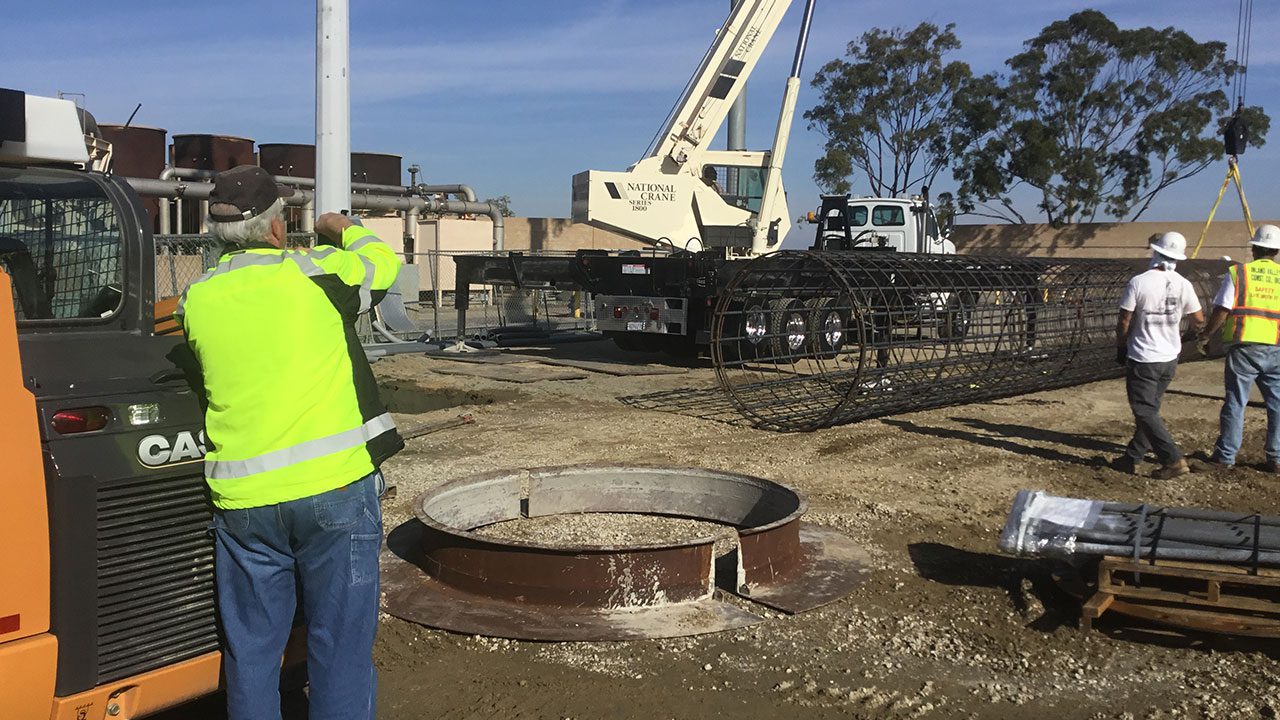
Conducting an Intensive Survey for a Major U.S. Carrier
An intensive survey completed for a major U.S. carrier demonstrated our ability to mobilize teams, coordinate across geographies, and deliver cultural resources support at the scale modern communications infrastructure demands.
Frequently Asked Questions About CRM for Communications Projects
Do all telecom and data center projects require cultural resource surveys?
No. The requirement depends on the funding source, permits, approvals, land ownership, and applicable federal, state, and local laws associated with the project.
Projects requiring FCC licensing, using federal land, needing a federal permit such as Army Corps wetland authorization, or receiving federal funding commonly require cultural resource review under Section 106. State and local requirements, including state historic preservation laws and local siting ordinances, can also apply when there is no federal nexus.
Does a telecom or data center project on previously disturbed or developed land need cultural resource management?
It can.
Prior disturbance alone does not always determine whether cultural resource review is required. A project on previously developed or disturbed land can still trigger cultural resource requirements through federal licensing status, a federal permit, state environmental review, or applicable local requirements — particularly where subsurface resources or historic structures were never previously evaluated.
When should a telecom or data center company begin cultural resource work?
Ideally, cultural resource planning should begin while site selection and design are still flexible and before cultural resource review becomes a constraint on the permitting schedule.
Early work gives the project team more opportunity to incorporate findings into design and scheduling.
Can cultural resource issues delay a telecom or data center project?
Yes.
Cultural resource findings can affect agency review, consultation, site design, and construction or deployment schedules. Discovering significant issues late in development generally creates greater schedule and cost exposure than identifying them during early planning.
Can cultural resource work occur at the same time as engineering and environmental permitting?
Yes, and coordinating these activities can help reduce schedule risk.
Cultural resource review can inform design while entitlement processing, engineering, and other development activities continue in parallel.
Why should telecom and data center companies use an experienced CRM firm?
Telecom and data center projects can combine multiple regulatory jurisdictions, fixed permitting and financing milestones, and potentially complex stakeholder engagement.
An experienced CRM partner can help identify the applicable requirements, scope the work appropriately, coordinate with the broader project schedule, and address cultural resource risks before they become construction or operational problems.
Planning a telecom or data center project?
Contact Chronicle to discuss cultural resource requirements, schedule, and project risk.