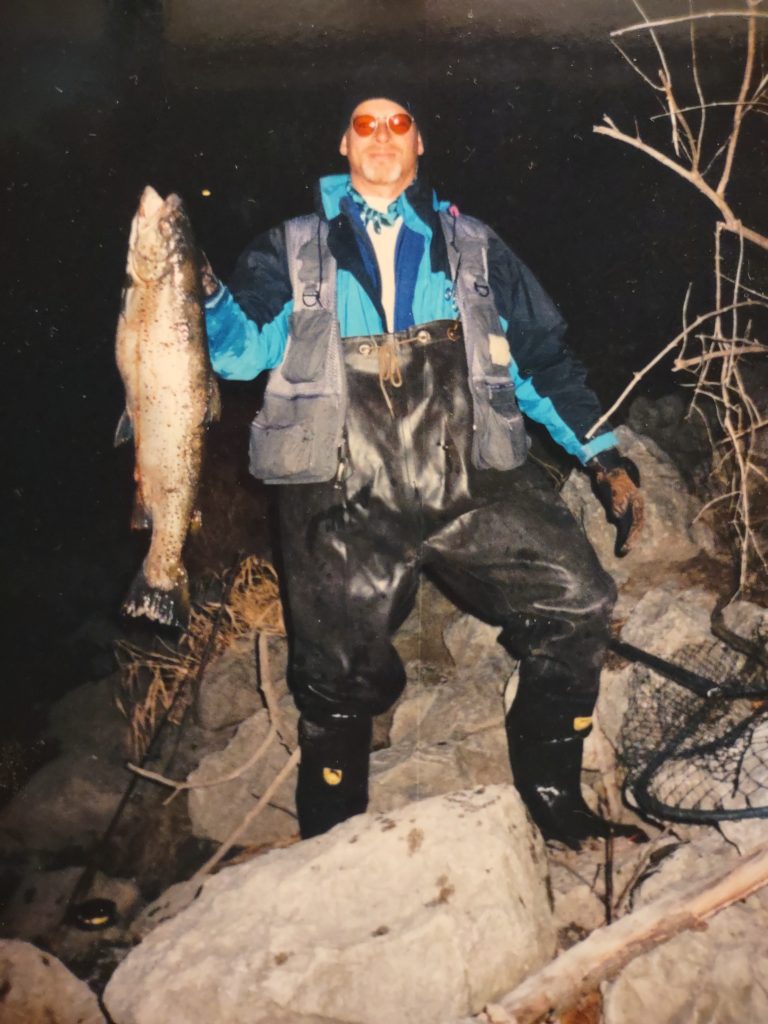

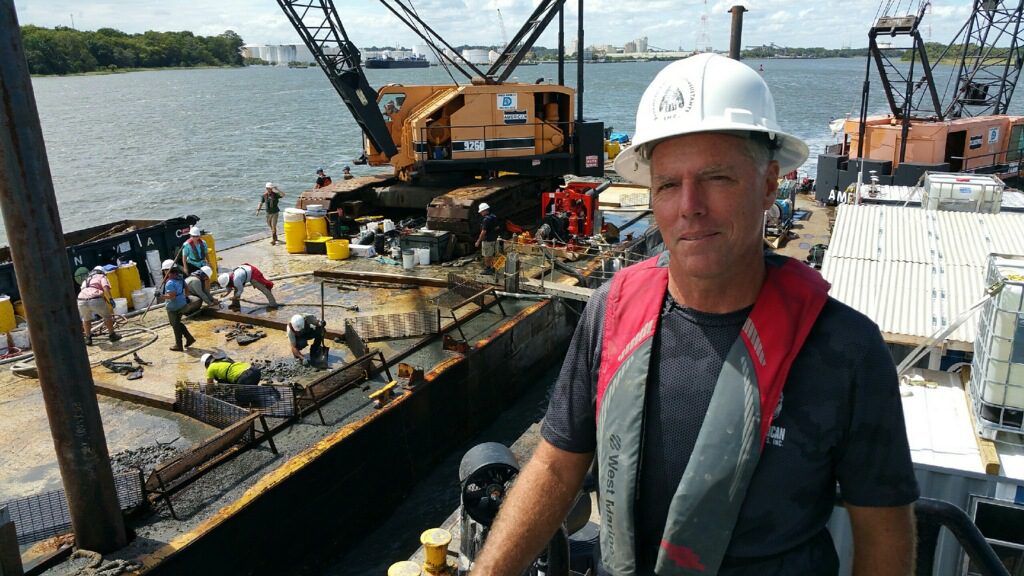
After more than four decades in maritime archaeology — and more than 35 years with Chronicle Heritage and its predecessor organizations, including Panamerican Consultants — Stephen R. James, Jr., M.A., RPA, Maritime Director Emeritus, is retiring.
James’ career leaves a lasting mark on the practice of submerged cultural resources management in the U.S. and beyond. His work helped shape how maritime archaeology is carried out today: technically rigorous, safety-focused, operationally disciplined, and grounded in stewardship of the resources and histories entrusted to us.
That impact can be seen across thousands of miles of coastline, rivers, ports, and offshore environments. It can also be seen in the people he trained, the standards he helped establish, and the maritime program he helped build.
Early Pioneer
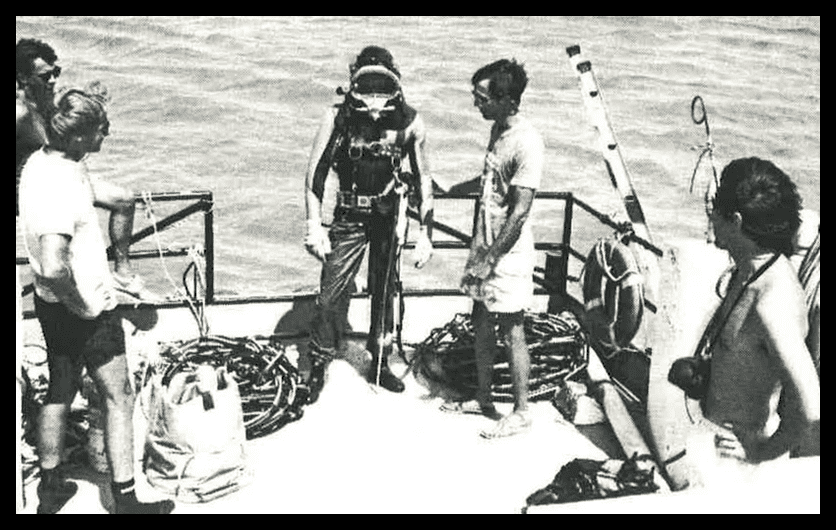
James is widely recognized as one of the early pioneers of commercial maritime archaeology in the U.S. In a career spanning more than 40 years, he led complex marine archaeological investigations throughout the U.S., Caribbean, and Pacific, supporting federal and state agencies, private industry, and nonprofit organizations. His work ranged from remote sensing and submerged cultural resource surveys to major shipwreck excavations, including an early 16th-century Spanish wreck in Turks and Caicos, King Kamehameha’s yacht in Hanalei Bay, Great Lakes schooners, and a Confederate ironclad in the Savannah River.
But James’ influence extends beyond individual projects.
Panamerican Partner
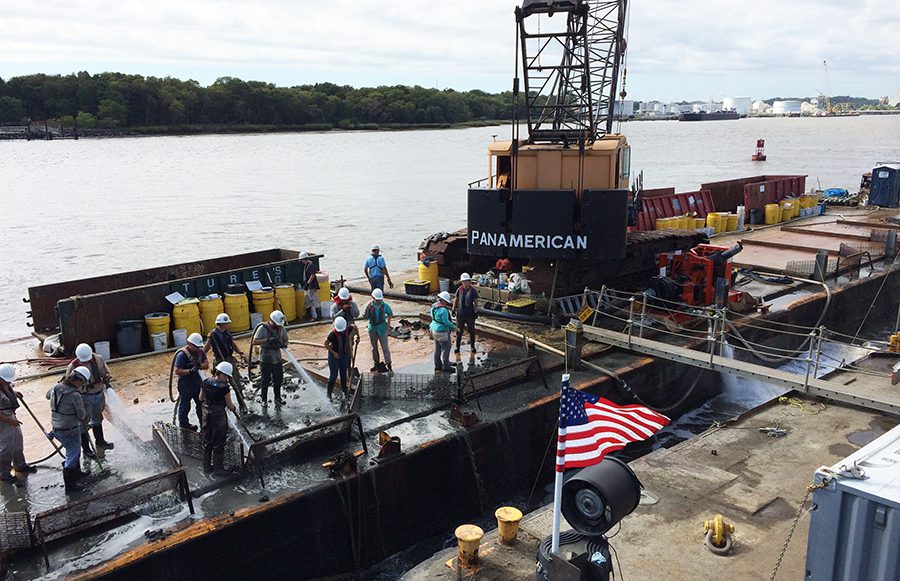
In 1990, he became a Partner at Panamerican Consultants and helped establish one of the earliest dedicated maritime archaeology programs in the cultural resources industry. That work laid the foundation for what would eventually become Chronicle’s Maritime Division: a program built not just around archaeological expertise, but around operational capability, diver safety, remote sensing innovation, and the ability to execute complex work in challenging marine environments.
James was also an early advocate for integrating advanced technologies into maritime archaeology long before many of those tools became standard practice. He helped expand the use of side-scan sonar, magnetometers, subbottom profilers, and satellite navigation systems in submerged cultural resource investigations at a time when the field was still evolving operationally and technologically.
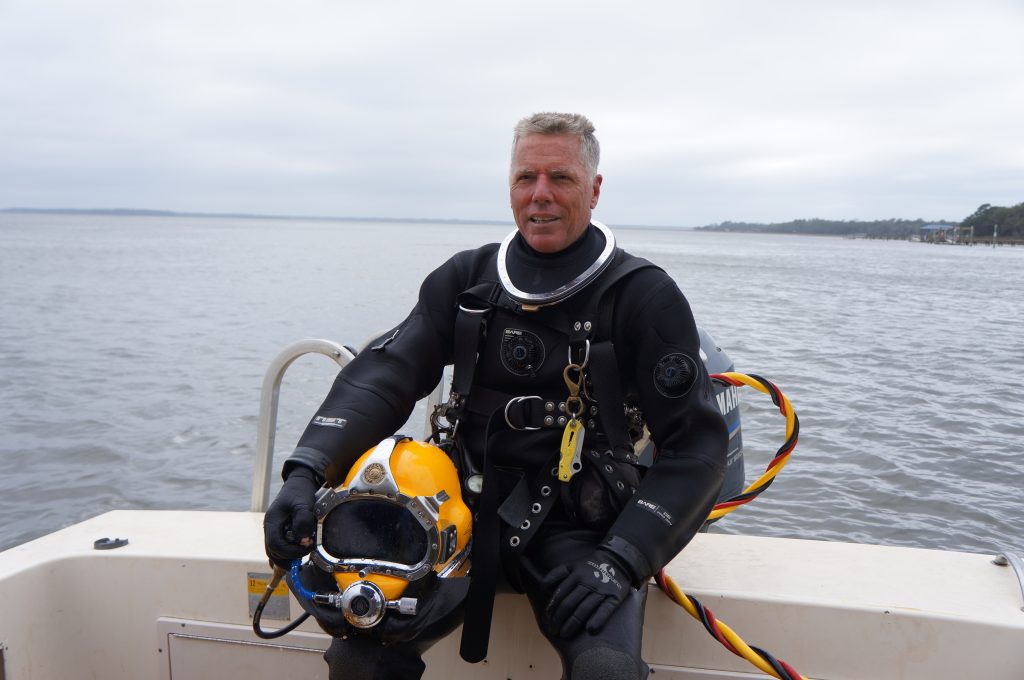
Just as importantly, he pushed for a more professionalized and safety-oriented approach to diving operations. James recognized early that surface-supplied diving systems offered important safety and operational advantages for archaeological work underwater. His leadership helped establish training procedures, operational standards, and diving safety practices that continue to influence maritime fieldwork today.
That combination of technical rigor and practical field leadership became a defining part of his career.
Willing Mentor
Colleagues across Chronicle know James not only for his expertise, but for his steadiness, generosity, and willingness to mentor younger professionals entering the field. Over the years, he helped train generations of maritime archaeologists, remote sensing specialists, and commercial divers — sharing both technical knowledge and the judgment that only comes from decades of field experience.
Careers like James’ shape more than projects. They shape professions.
As James steps into retirement, we are deeply grateful for the knowledge, leadership, and example he brought to Chronicle and to the broader cultural resources community. The systems he helped build, the standards he helped raise, and the people he helped develop will continue to influence the work long after his retirement.
We wish him fair winds and following seas in the next chapter ahead.