
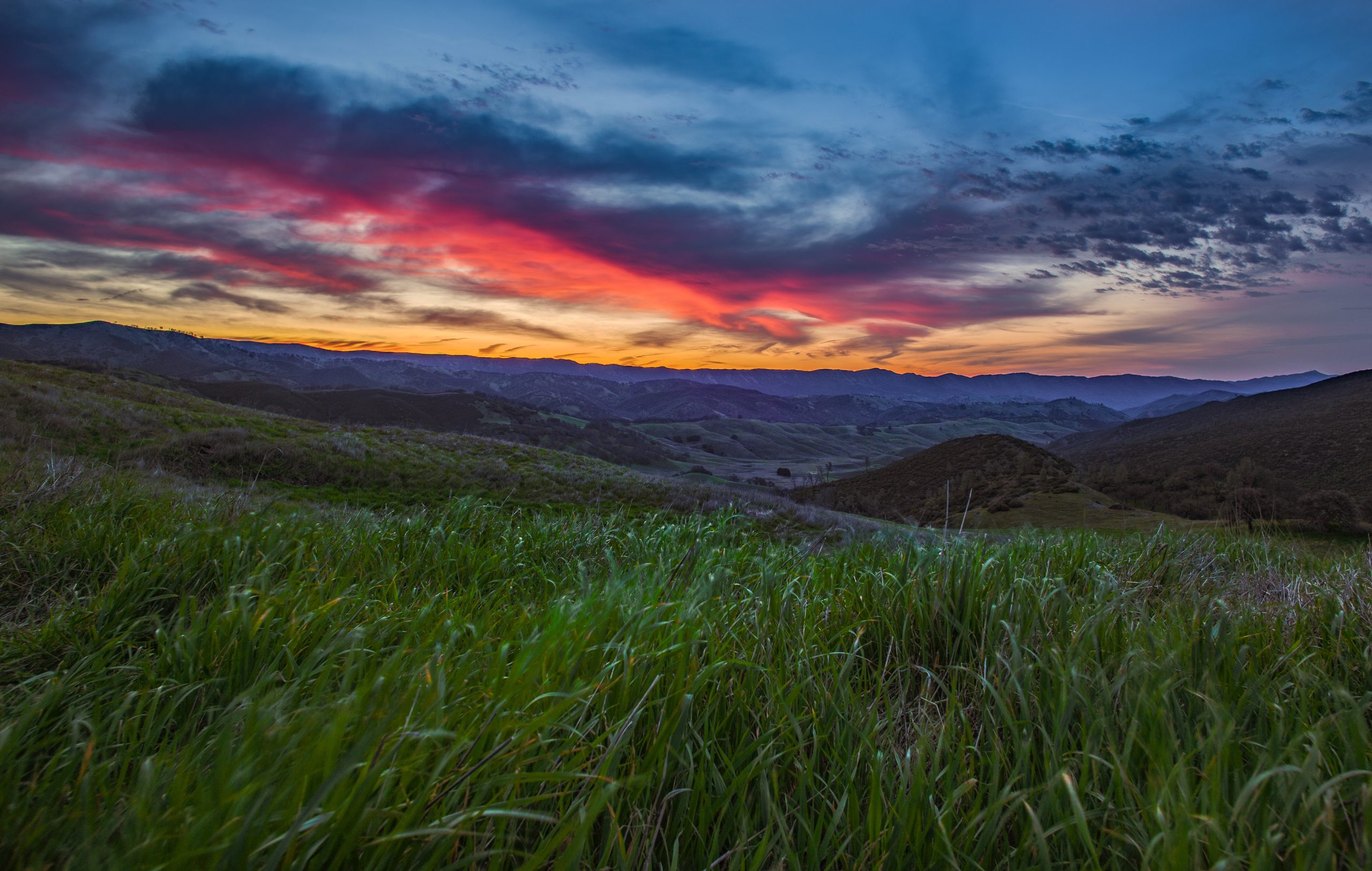
In the heart of northern California, where rugged ridgelines meet pristine creeks and wetlands, the Berryessa Snow Mountain National Monument stretches across more than 344,000 acres of some of the state’s most biologically and culturally diverse terrain. Established by presidential proclamation in 2015, the Monument encompasses lands managed by both the Bureau of Land Management (BLM) and the U.S. Forest Service, rising from the oak-dotted hills surrounding Lake Berryessa to the alpine peaks of the Snow Mountain Wilderness.
This striking landscape is also one of deep cultural significance — a homeland tied to generations of indigenous peoples. Chronicle Heritage was commissioned by the BLM to conduct an ethnographic study to honor and better understand that heritage.
A Collaborative Effort Rooted in Respect
Chronicle’s ethnographic study focused on BLM-managed portions of the Monument, exploring the region’s long-standing importance to multiple Tribes, including the Koi Nation, Elem Indian Colony, Yocha Dehe Wintun Nation, and Middletown Rancheria.
“This work is a starting point for re-engagement and reconnection with these Tribes,” explained Dr. Kaitlyn Davis, Principal Investigator, reflecting on the project’s purpose. “The goal was not only to document these places, but to help the Tribes rebuild their relationships with their ancestral lands.”
Chronicle’s core project team, which included Davis, Project Manager Shikha Misra and Senior Archaeologist Dr. Brian Holguin, as well as Gabrielle St. Martin, Shannon Landry Dawson and Emily Abramowicz, all associate archaeologists, partnered closely with Algonquin Consultants, a Native American–owned firm. Together, they reached out to tribal representatives, conducted interviews, and revisited sites that held deep cultural, spiritual, and historical importance.
Rediscovering Ancestral Connections at Berryessa
Native Americans have lived in the Berryessa Snow Mountain region for at least 11,000 years. Tribes such as the Yuki, Nomlaki, Patwin, Pomo, Huchnom, Wappo, Lake Miwok, and Wintun once thrived there — communities bound by intricate systems of trails, trade routes, and shared ceremonies.
Chronicle’s team approached the study with this interconnectedness in mind. Their research emphasized the concept of placemaking — understanding how the landscape’s features, from springs and ridgelines to quarries and campsites, form a network of cultural relationships.
“Think about the landscape as a connected place,” Davis said. “The importance of one spot may lie in what it looks toward — a sacred mountain, a ridge, or a water source. Protecting those sightlines and connections is as meaningful as protecting the sites themselves.”
From Archival Research to Fieldwork
Before stepping into the field, Chronicle’s team undertook extensive archival research. “The BLM’s vision,” Davis explained, “was that we would learn from early 20th-century ethnographers and then pair that with contemporary interviews with tribal members.”
To piece together these historical and cultural threads, the project team examined collections from the University of California-Davis and University of California-Berkeley, as well as the archives of historical societies and libraries in counties in and bordering the monument.
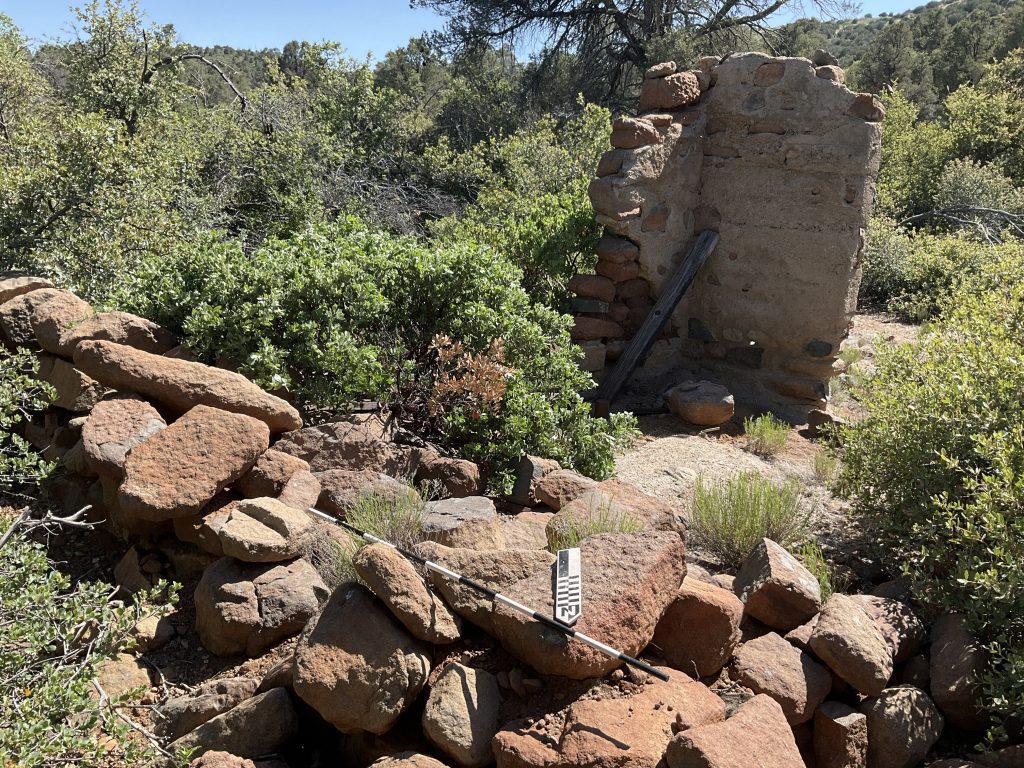
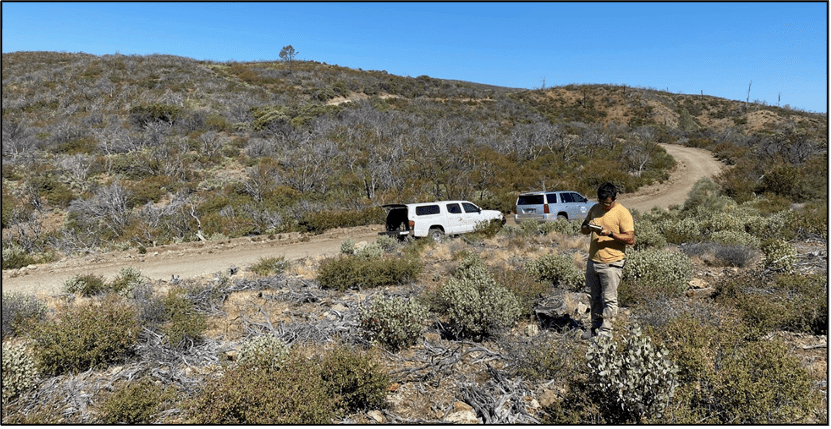
Fieldwork followed, with members of the project team visiting the landscape alongside tribal representatives, documenting places of cultural significance, and recording their geographic data for a geodatabase created by Chronicle’s GIS team and provided to the BLM. This spatial database allows the BLM and participating tribes to visualize and steward areas of cultural and natural importance across the monument.
Tribal Recommendations: Connection Before Conservation
The study’s most vital insights came directly from tribal members themselves. Their recommendations reflected a deep desire for reconnection before regulation.
According to Davis, those interviewed explained that “before we can even get to stewardship plans, we need to spend more time in these places, reconnecting ourselves to them, because we’ve been removed from them.”
The tribal members emphasized that the project should be the first of many visits, calling for continued collaboration with the BLM and future opportunities to return to the land.
Among their key recommendations:
• Ongoing access for tribal members — particularly elders — to visit sacred and resource-gathering sites, including accommodations for limited mobility.
• Co-stewardship agreements ensuring that Tribes are consulted whenever projects might affect important plant or mineral resource areas.
• Cultural education opportunities, such as tribal culture camps near historically significant sites where youth can learn traditional languages and ecological knowledge directly in the landscape.
The Tribes also urged that some public trails near sacred sites be rerouted or closed, while others be designated for ceremonial or educational use.
Stewardship for the Future
Through Chronicle’s ethnographic study, the BLM gained more than data — it gained a roadmap for respectful partnership. The final report not only identified locations of tribal interest but also outlined a model for shared stewardship of public lands.
“This study is not only crucial for environmental and cultural preservation,” said Steve Karacic, President of Chronicle, “but also essential in honoring the profound significance of the land to the Tribes. Collaboration was key to the success of this project, with dozens of employees drawing upon their expertise and passion for research, heritage, and stewardship.”
The team’s findings — from the creation of a comprehensive geodatabase to detailed maps of tribal significance — represent both a culmination and a beginning. The BLM is now in active discussions with Tribes about expanded access and long-term stewardship roles within the Monument.
As Davis reflected, the work at Berryessa Snow Mountain was never meant to be the final word on the land’s story — only the next chapter in a continuing conversation.
“This is a starting point,” she said. “A way to bring people back to their places, to listen, to learn, and to ensure that the stories written in this land continue to be heard.”