

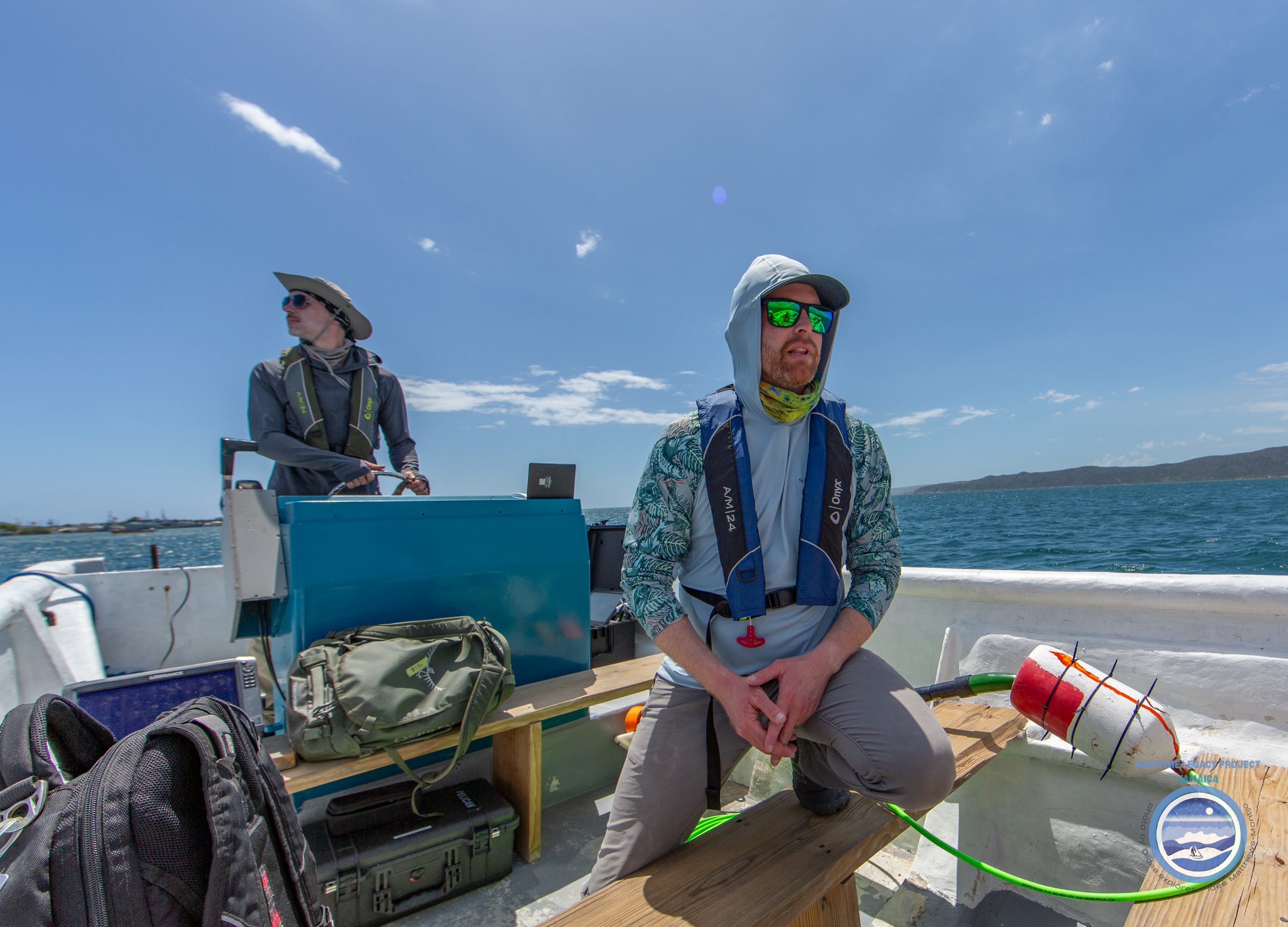
Matt Hanks, Senior Maritime Archaeologist, recently joined a team assembled by the Maritime Legacy Project: Jamaica (MLPJ) for a two-week research effort in Port Royal, Jamaica.
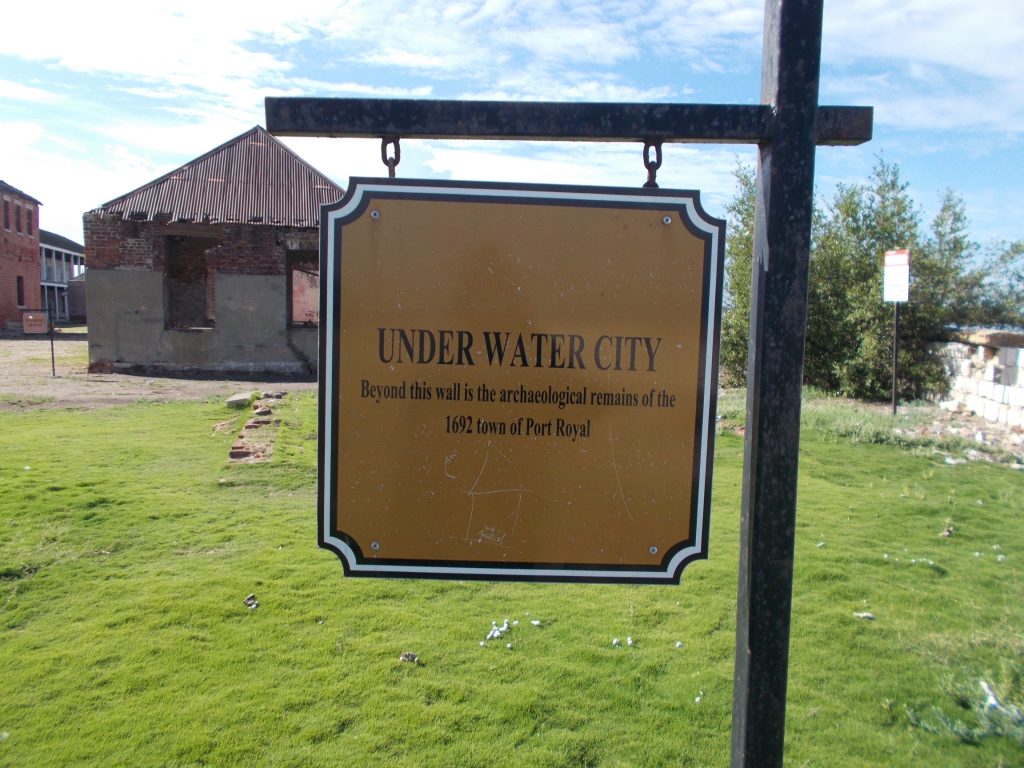
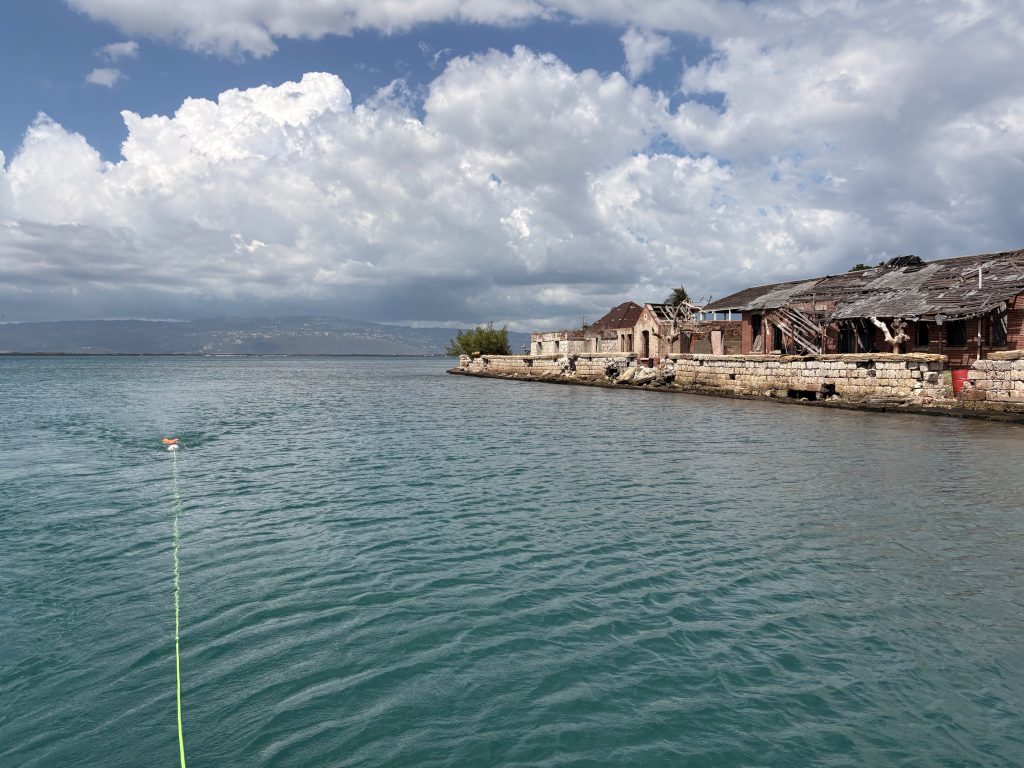
The Archaeological Ensemble of 17th Century Port Royal, a sunken city along the north coast of the Palisadoes, is listed as a UNESCO World Heritage site. According to UNESCO, Port Royal “was a major 17th-century English port city. A devastating earthquake in 1692 submerged much of the town under water and sand. Today, its terrestrial and underwater remains offer rare insights into urban colonial life. Once a key hub for transatlantic trade—including the trade of enslaved Africans—Port Royal featured a deep-water port and six defensive forts, some now submerged. Archaeological evidence reveals a well-preserved layout of residential, religious, and administrative buildings, serving as a distinctive marker of British colonial presence in the Caribbean.”
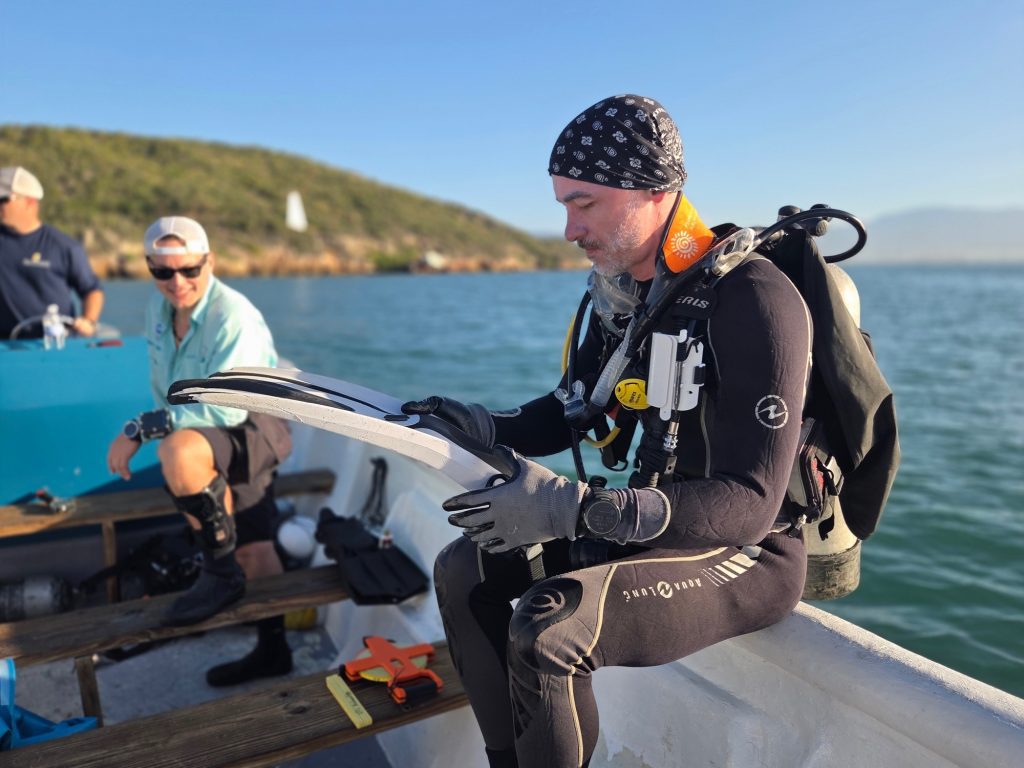
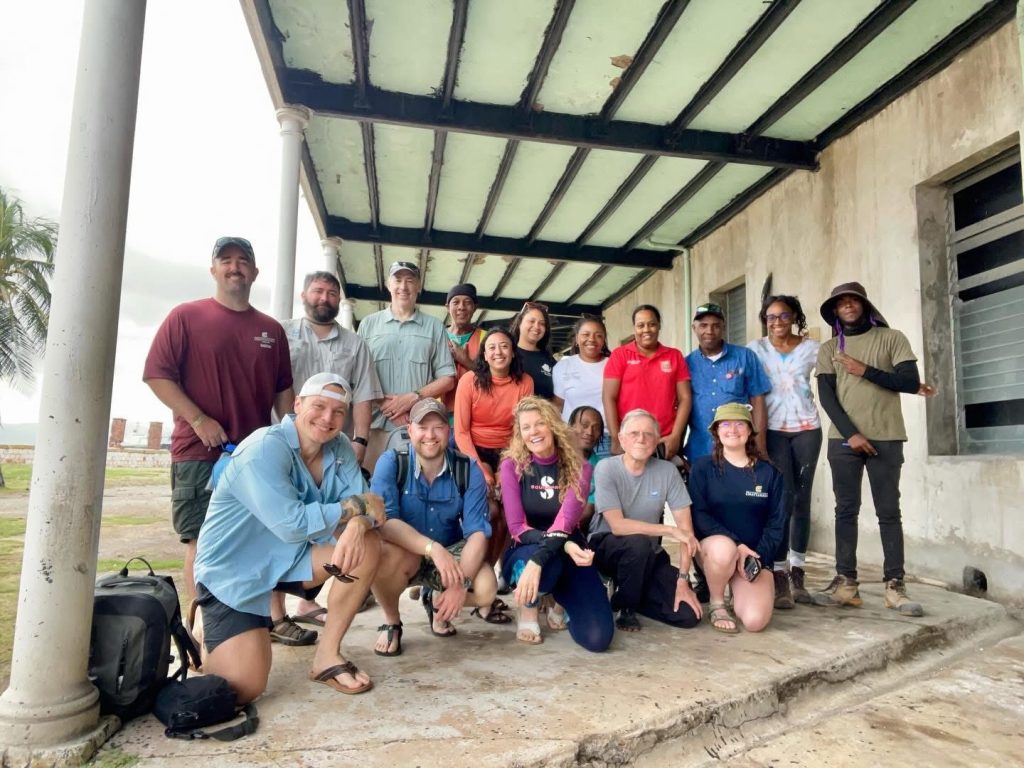
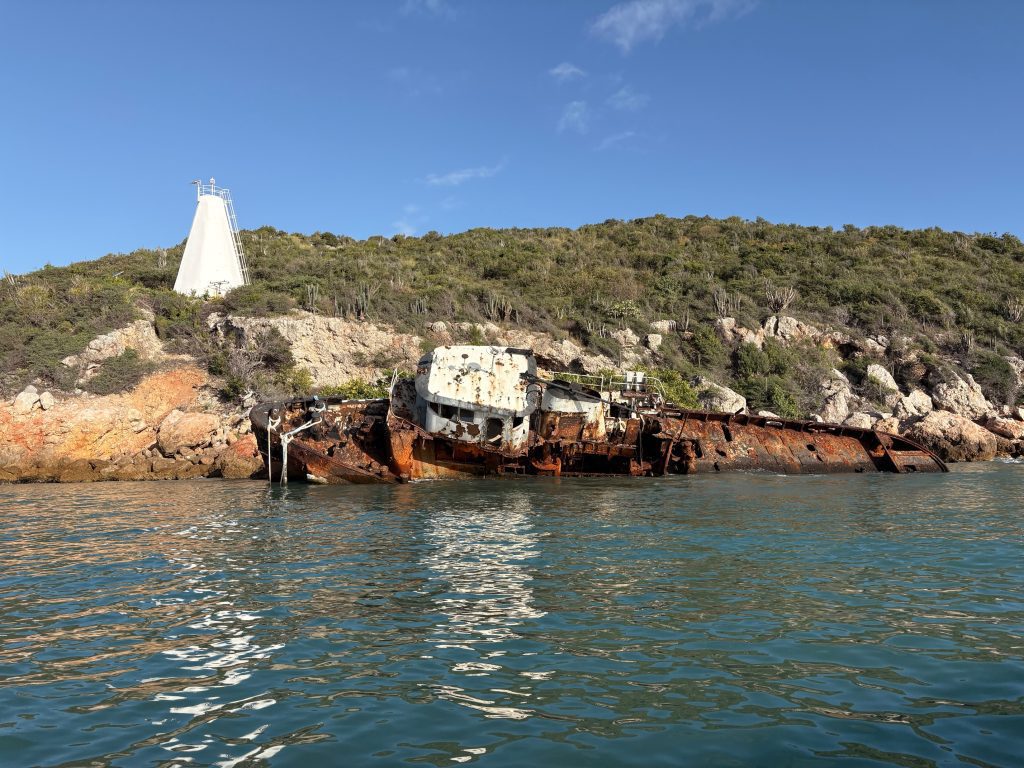
The MLPJ is an international cohort of volunteer archaeologists donating their time and expertise to aid in the location, documentation, interpretation, and monitoring of submerged cultural heritage in Jamaica. All work is coordinated in close partnership and collaboration with the Jamaica National Heritage Trust (JNHT) under the Jamaican Ministry of Culture, Gender, Entertainment, and Sport.
Led by AJ Van Slyke of the University of Tennessee at Chattanooga, this project accounted for the largest gathering of maritime archaeological experts in Jamaica in decades. Operations included submerged site assessments, photogrammetry, and marine-remote sensing in the portion of Port Royal lost beneath the waves during the June 7, 1692, earthquake, and the subsequent tsunami. The results of this effort provided updated baseline data and contributed to the understanding of the sunken city stewarded by JNHT. The 2026 fieldwork builds upon research that began in the 1960s and was continued in the 1980s and 1990s by teams from the Institute of Nautical Archaeology (INA) and Texas A&M University.
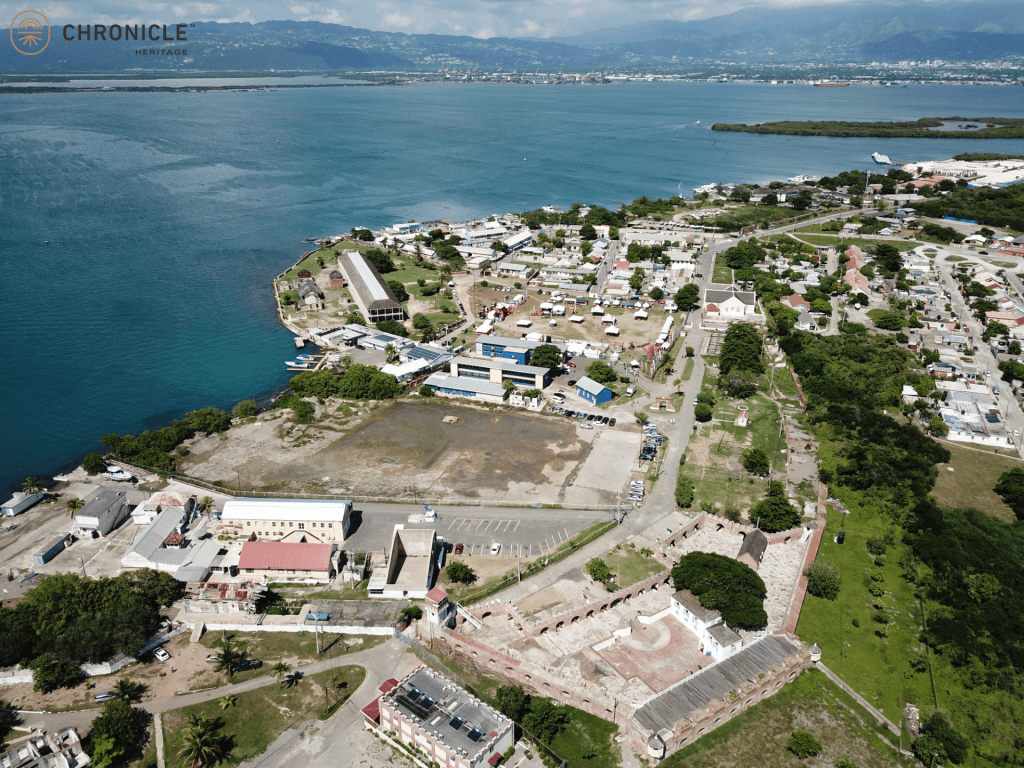
This work reflects Chronicle Heritage’s continued commitment to Caribbean archaeology and cultural resource management, grounded in long-standing regional relationships and experience. It also comes on the heels of the launch of the firm’s Puerto Rico office, established to better support clients and partners across the region under the leadership of Dr. Zachary Beier, Office Principal – Caribbean, who previously served as a Lecturer in Archaeology at the University of the West Indies, Mona, and as a Trustee of the Jamaica National Heritage Trust (2014–2022).